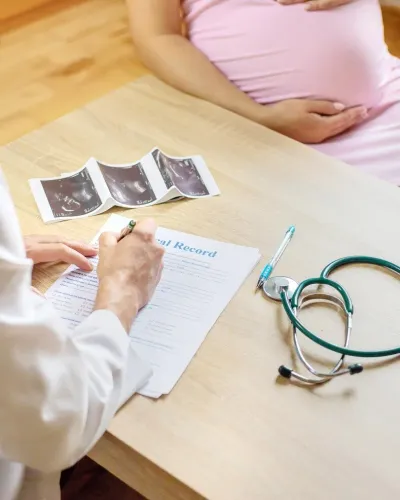



Choosing cervical screening starts with matching the test to your age, medical history, symptoms, and previous results—not simply booking the first Pap smear available. You will be able to compare Pap testing, primary HPV testing, and cotesting, prepare for the appointment, understand possible results, and assess whether a Thane facility can provide the follow-up you may need.
Key takeaways
- Choose Pap, HPV testing, or cotesting based on age and risk history.
- Avoid vaginal medicines, sex, and douching before cervical screening.
- Book diagnostic evaluation first for symptoms such as bleeding or pelvic pain.
- An abnormal or HPV-positive result needs follow-up, not immediate panic.
Which cervical screening test fits your age and risk history?
Your age and risk history determine whether a Pap test, primary HPV test, or cotest is appropriate. Each detects something different:
| Option | What it detects | How clinicians use it |
|---|---|---|
| Pap test | Abnormal cervical cells; it does not directly diagnose cancer | Cytology-based screening or follow-up |
| Primary HPV test | High-risk HPV types that can cause cervical cell changes | Preferred primary method where available, according to WHO |
| Cotest | High-risk HPV plus cervical-cell abnormalities | Combined risk assessment when the local programme offers it |
Screening schedules vary by local programme, age, and risk. WHO identifies HPV-DNA testing as the preferred primary method where available, but your clinician should apply the schedule used in your region.
Ask for an individual plan if you have:
- A previous abnormal result or cervical treatment
- Immune suppression or HIV
- Symptoms such as unusual bleeding or discharge
- Pregnancy
- A hysterectomy, especially if the cervix was removed
Previous high-grade results require clinician-directed surveillance, not routine screening intervals. Symptoms or a visibly abnormal cervix need diagnostic assessment rather than a screening test alone.
HPV vaccination reduces risk but does not treat an existing infection or replace screening. Continue age-appropriate screening after vaccination. For pap smear cervical cancer concerns, dont use a routine interval without reviewing your history. Compare cervical screening options in Thane by asking which test is available, who interprets it, and how follow-up is arranged.
How to prepare for a Pap or HPV screening appointment
Ask the facility which test is planned: Pap cytology, primary HPV testing, or cotesting. For a pap smear cervical cancer appointment in Thane, bring:
- Previous Pap or HPV reports, colposcopy or biopsy reports, and cervical-treatment dates
- Pregnancy details, HPV-vaccination history, and immune-suppressing conditions
- Current bleeding, discharge, infection symptoms, or pain
| Before the visit | What to do | Why it matters |
|---|---|---|
| Heavy menstrual bleeding | Ask whether to reschedule | Blood can make the sample harder to interpret |
| Vaginal preparation | Follow the facility’s instructions; avoid vaginal medicines, douching, spermicides, lubricants, and vaginal intercourse for about 24–48 hours when advised | These can interfere with collection or interpretation |
| Symptoms or pregnancy | Report them instead of hiding them | They can change the plan from routine screening to examination or another test |
During the visit, the clinician explains the procedure, answers questions, obtains your consent, and protects your privacy. You usually lie on your back with your knees bent or supported; a speculum gently separates the vaginal walls, and a brush collects cells from the cervix.
The sample is labelled with your identifiers and sent in a designated container for laboratory processing.
The visit is usually short, but allow time for consent and collection. Light cramping or spotting can follow. Seek medical advice for severe pain, heavy bleeding, fever, or foul-smelling discharge.
When routine screening is not the right first appointment
Bleeding after sex, bleeding between periods, unusual persistent or watery or blood-stained discharge, pelvic pain, pain during sex, or a visibly abnormal cervix requires clinical assessment first, even after a normal screening result. A Pap test checks cervical cells; it is not a complete investigation for every cause of pain, bleeding, or discharge.
| Situation | More appropriate first step | Possible next care |
|---|---|---|
| Symptoms or abnormal-looking cervix | Examination | Colposcopy, biopsy, ultrasound when indicated, or urgent referral |
| Known high-grade abnormality | Clinician-directed assessment | Colposcopy, biopsy, or treatment planning |
| Previous cervical cancer | Specialist review | Diagnostic testing and urgent referral |
| No symptoms and routine eligibility | Screening consultation | Pap cytology, HPV testing, or cotesting |
When comparing cervical screening options in Thane, ask whether the facility provides:
- Cytology and HPV testing, including cotesting where appropriate
- Colposcopy and biopsy, or a documented referral pathway
- Ultrasound when clinical findings make it necessary
- Result review by a clinician, with same-visit discussion or documented follow-up
- A tracking system for repeat tests, referrals, and missed appointments
A cervical cancer screening consultation in Thane should connect your symptoms and history to the correct next step, rather than automatically collecting another sample. A sample-collection site without result interpretation and follow-up is not equivalent to comprehensive care.
Do not wait for routine screening if symptoms persist, a high-grade result is known, or cancer was previously diagnosed.
How to read an abnormal, HPV-positive, or inadequate result
An abnormal screening report is not a cancer diagnosis. It means the laboratory found cervical-cell changes or high-risk human papillomavirus (HPV) that need the correct follow-up.
1. Unsatisfactory means the sample could not be interpreted because cells were too few, obscured by blood or mucus, or otherwise unsuitable. Arrange repeat collection when the clinician advises; repeating it immediately is not always correct.
2. ASC-US means mildly atypical squamous cells whose cause is unclear. LSIL means low-grade cell changes, often linked to HPV. HSIL means high-grade changes and requires prompt, risk-based assessment. Glandular-cell abnormalities involve cells from the cervical canal or uterus and need specific clinical follow-up.
3. HPV-positive means a high-risk HPV type was detected. It does not prove cancer, a recent exposure, or infidelity; HPV can become detectable after years of being unnoticed. The important details are the HPV type, cytology result, previous results, and persistence.
4. Follow-up can include repeat HPV or cytology, colposcopy, biopsy, or treatment of a precancerous lesion. The choice depends on HPV type, cytology, age, pregnancy, immune status, and earlier results.
Obtain the written report and ask, “What is my next step, and by what date?” If you searched for a pap smear cervical cancer appointment in Thane, attend the advised review rather than repeating tests independently or waiting for symptoms. A normal result later does not cancel a recommended follow-up.
How to choose and book cervical screening care in Thane
Search for a pap test clinic near Kolshet Road or elsewhere in Thane, then call before booking. Ask which options are available, who reviews results, how quickly results are communicated, whether colposcopy or biopsy is provided or arranged, and how abnormal or inadequate samples are tracked.
| Option | What it checks | Ask when booking |
|---|---|---|
| Pap cytology | Cervical-cell changes | Is a clinician reviewing the report? |
| Primary HPV testing | High-risk HPV | Is HPV-DNA testing available? |
| Cotesting | HPV plus cervical-cell changes | Who decides the follow-up? |
For a pap smear cervical cancer appointment in Thane, provide your age, symptoms, pregnancy status, previous abnormal results, and preferred test. Confirm preparation instructions, privacy arrangements, appointment time, transport needs, and how you will receive results.
If you have bleeding after sex, persistent unusual discharge, pelvic pain, a visibly abnormal cervix, or a known high-grade result, ask whether diagnostic assessment is more appropriate than routine screening.
A cervical cancer screening consultation in Thane is more useful when sample collection connects with history review and follow-up. Dr. Jagruti Kadam 8048033934 can be considered for that approach; confirm the needed test and referral arrangements when booking.
Allow time for consent and collection, arrange privacy or transport, save the written report, and schedule the next step before leaving if advised.
Related services
PAP smear and Cervical Cancer Screening PAP smear and Cervical Cancer Screening ₹1000 Dr. Jagruti Kadam offers reliable Pap smear and cervical cancer screening services focused on early detection and prevention. View service → |
HPV Vaccination ₹1000 Dr. Jagruti Kadam provides safe and effective HPV vaccination to help protect against cervical cancer and other HPV-related diseases. View service → |
Frequently asked questions
Which cervical screening test fits my age and risk history?
A clinician selects Pap testing, primary HPV testing, or cotesting after reviewing your age, previous results, HPV history, immune status, and treatment history. Follow the screening interval recommended for your situation.
How should I prepare for a Pap or HPV screening appointment?
Schedule the appointment when you are not menstruating if possible. For 24 to 48 hours beforehand, avoid vaginal sex, douching, tampons, and vaginal medicines unless your clinician tells you to use them.
When is routine screening not the right first appointment?
Book a diagnostic consultation instead of routine screening if you have bleeding after sex, bleeding between periods or after menopause, unusual discharge, persistent pelvic pain, or a visible cervical lesion.
What does an abnormal, HPV-positive, or inadequate result mean?
An abnormal Pap result does not diagnose cancer, and an HPV-positive result does not identify when infection began. An inadequate sample needs repeat collection, while other results may require repeat testing, colposcopy, biopsy, or treatment based on your risk.