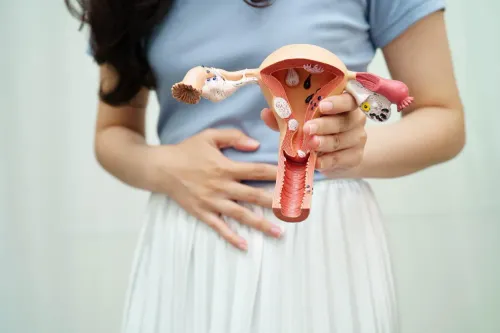


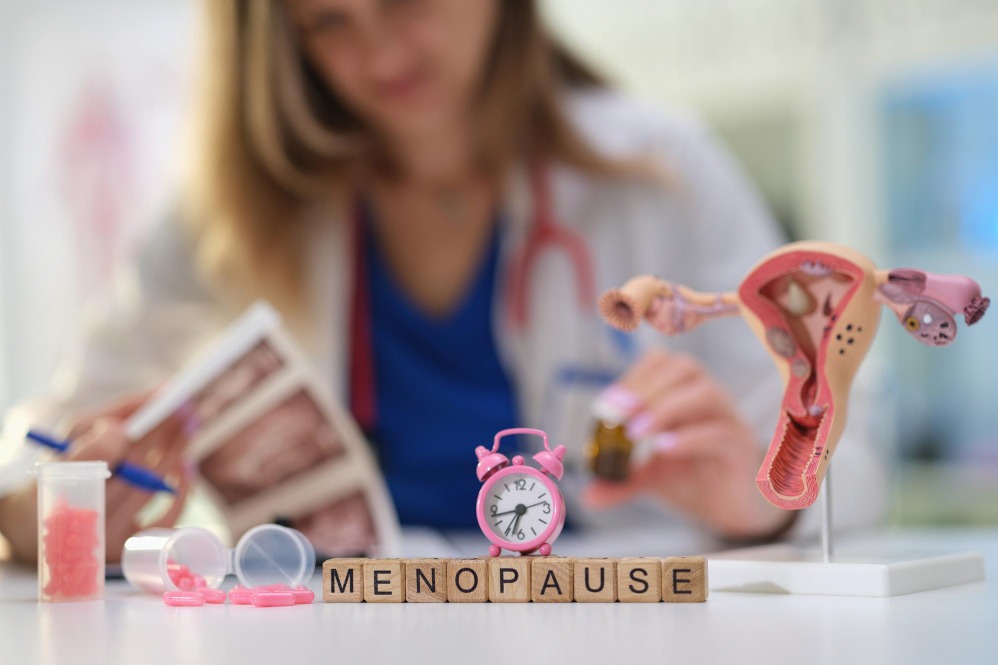
Menopause is a natural stage of life, but the transition is not equally easy for every woman. Hot flushes, sleep problems, vaginal dryness, mood changes and changes in menstrual patterns can significantly affect daily comfort.
Menopause management aims to understand which symptoms are related to hormonal transition, identify other health issues that may require investigation and choose suitable treatment based on individual risks and preferences.
Menopause Is More Than the Final Period
The years leading up to menopause are often called perimenopause.
During this stage, hormone levels fluctuate and periods may become irregular. Women can experience symptoms before menstruation stops completely.
Common concerns include:
- Hot flushes
- Night sweats
- Sleep disturbance
- Vaginal dryness
- Discomfort during intercourse
- Mood changes
- Changes in menstrual flow
- Reduced concentration
- Urinary symptoms
Symptoms vary substantially between women.
Do Not Assume Every Change Is Menopause
Irregular periods are common during perimenopause, but unusual bleeding still needs appropriate assessment.
Consult a gynaecologist if bleeding becomes very heavy, occurs after intercourse, continues for unusually long periods or appears after menopause.
Other medical conditions can produce symptoms that overlap with menopausal changes, so persistent symptoms should not automatically be attributed to age.
Lifestyle Measures Can Help
Simple measures can be useful for some women.
Regular exercise supports cardiovascular, muscular and bone health. Adequate sleep, balanced nutrition, smoking avoidance and moderation of factors that trigger hot flushes may improve overall wellbeing.
Calcium, vitamin D or other supplementation should be considered according to dietary intake, risk factors and professional advice rather than taken indiscriminately.
What About Hormone Therapy?
Menopausal hormone therapy can be effective for selected symptoms in appropriately assessed women.
It is not suitable for everyone.
A clinician considers factors such as age, time since menopause, uterus status, cardiovascular risk, history of blood clots, certain cancers and other medical conditions before discussing whether hormone therapy may be appropriate.
Non-hormonal strategies are also available for certain symptoms.
Vaginal and Urinary Symptoms Deserve Attention
Vaginal dryness and discomfort are sometimes left untreated because women assume they must simply tolerate them.
Menopausal hormonal changes can affect vaginal and urinary tissues. Depending on the situation, moisturisers, lubricants, local therapies or other treatments may be considered.
Persistent urinary symptoms should also be evaluated for other possible causes.
Think About Long-Term Health
The menopausal years provide an opportunity to review broader health concerns such as:
- Blood pressure
- Diabetes risk
- Cholesterol
- Bone health
- Cervical and breast screening
- Physical activity
- Healthy weight
Women seeking menopause management in Thane can consult Dr. Jagruti Kadam for assessment that considers symptoms alongside medical history and preventive women's healthcare needs relevant to this stage of life.
Menopause itself is not an illness. However, troublesome symptoms and changing long-term health risks deserve proper attention. Individualised care can help women navigate this transition with clearer information and treatment choices suited to their circumstances.