

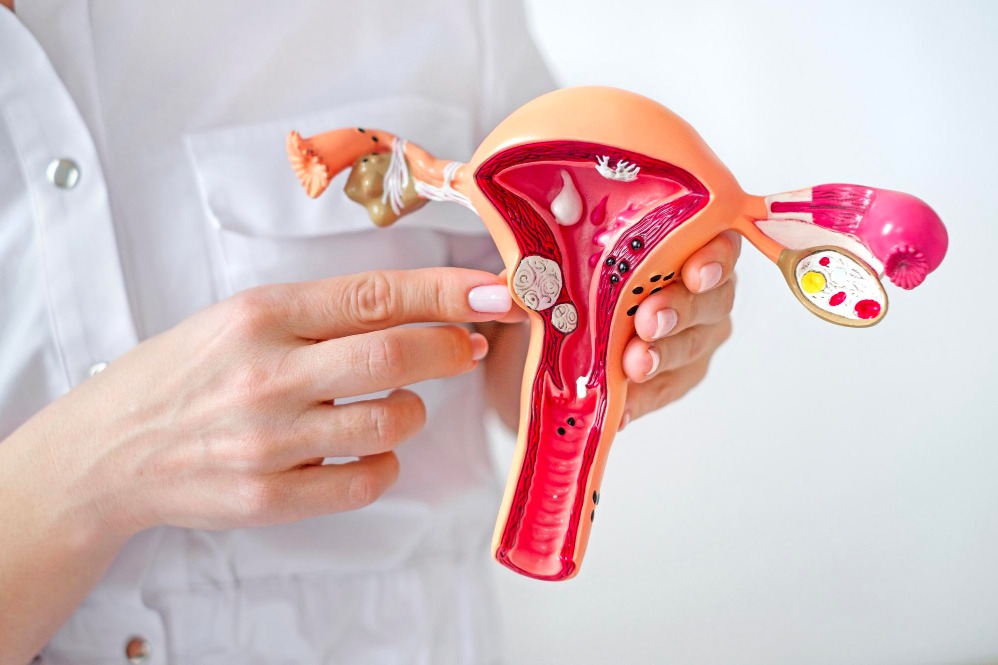
Uterine fibroids are non-cancerous growths arising from the muscular wall of the uterus. Some women have fibroids without noticeable symptoms, while others experience heavy menstrual bleeding, pelvic pressure, pain or fertility-related concerns.
Fibroid surgery is therefore not automatically required simply because a fibroid appears on an ultrasound.
When Can Fibroids Be Observed?
Small or asymptomatic fibroids may only require periodic monitoring.
The decision depends on several factors, including:
- Severity of menstrual bleeding
- Fibroid size
- Number of fibroids
- Location within the uterus
- Rate of change
- Pelvic pressure or pain
- Anaemia
- Fertility plans
- Age and proximity to menopause
A scan result should be interpreted together with symptoms rather than in isolation.
When Does Surgery Become a Consideration?
Surgery may be discussed when fibroids cause substantial symptoms or complications and conservative treatment is inadequate or unsuitable.
Examples can include persistent heavy bleeding leading to anaemia, significant pressure symptoms, selected fertility problems or fibroids that substantially distort the uterine cavity.
The appropriate operation differs from one patient to another.
Myomectomy Preserves the Uterus
Myomectomy removes fibroids while preserving the uterus.
This may be considered for women who want to retain their uterus, including some women planning future pregnancy.
Depending on fibroid location and size, myomectomy may be performed hysteroscopically, laparoscopically or through conventional open surgery.
A fibroid growing predominantly inside the uterine cavity may be approached differently from a large fibroid situated within or outside the uterine wall.
When Is Hysterectomy Considered?
Hysterectomy removes the uterus and provides definitive treatment for uterine fibroids because the fibroids cannot recur in a removed uterus.
However, it is a major decision and is not suitable for women who wish to carry a future pregnancy.
Age, symptom severity, previous treatment, uterine size, overall health and personal preferences are considered before this option is selected.
Minimally Invasive Versus Open Surgery
Patients often ask whether laparoscopic surgery is automatically better.
Minimally invasive procedures can offer smaller incisions and potentially shorter recovery in suitable cases. However, very large fibroids, extensive disease, previous surgeries or other clinical factors can influence the safest surgical route.
The objective should be an appropriate and safe procedure rather than choosing a technique solely because the incision is smaller.
Questions to Discuss Before Surgery
Before making a decision, ask:
- Is surgery necessary now?
- Where are my fibroids located?
- Can medication help control my symptoms?
- Does the fibroid affect fertility or the uterine cavity?
- Is myomectomy appropriate?
- Which surgical route is being considered?
- What recovery should I expect?
For women evaluating fibroid surgery in Thane, Dr. Jagruti Kadam can assess symptoms alongside ultrasound findings, reproductive plans and medical history before discussing available treatment approaches.
Fibroids are common, but their impact varies considerably. The right treatment is determined not simply by their presence but by what they are doing to a woman's health, daily life and reproductive plans.