


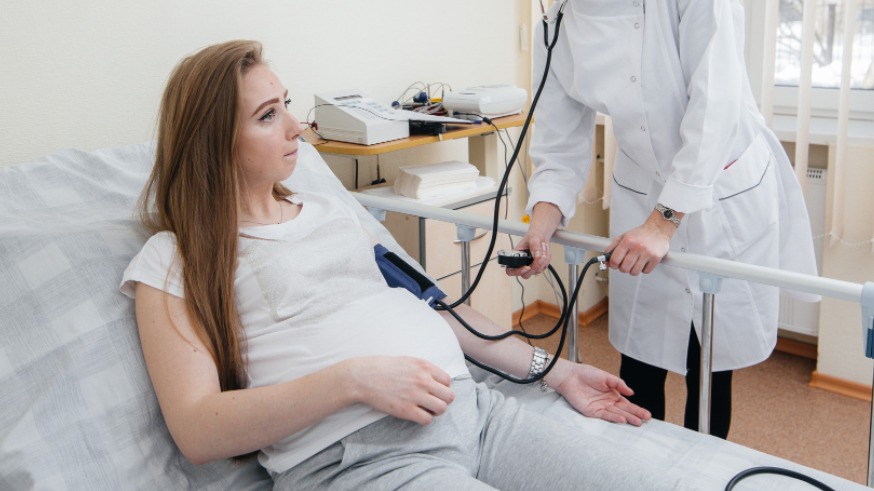
A pregnancy may be classified as high risk when a maternal health condition, pregnancy-related complication or fetal concern increases the need for closer observation.
The term can sound alarming, but high risk pregnancy care primarily means that monitoring and treatment are adapted to the particular risks identified.
What Can Make a Pregnancy High Risk?
Risk may be recognised before conception, during the first antenatal assessment or later in pregnancy.
Examples include:
- High blood pressure
- Diabetes
- Thyroid disease
- Certain heart or kidney conditions
- Multiple pregnancy
- Previous pregnancy complications
- Previous preterm birth
- Placental problems
- Fetal growth concerns
- Certain maternal age-related risks
Having one risk factor does not mean a complication will definitely occur.
Why Antenatal Monitoring May Be Different
Routine pregnancies follow a standard pattern of antenatal appointments and investigations.
Higher-risk pregnancies may need additional consultations, blood tests, blood pressure monitoring, ultrasound examinations or fetal surveillance depending on the identified condition.
The frequency should be based on clinical need.
For example, monitoring for a woman with hypertension may focus on blood pressure, laboratory findings and fetal growth, while diabetes in pregnancy requires attention to glucose control and fetal wellbeing.
Previous Pregnancy History Matters
A previous complicated pregnancy can provide important information.
Women who have experienced severe hypertension, gestational diabetes, recurrent miscarriage, fetal growth restriction, premature delivery or other significant complications should share previous records when possible.
Preconception counselling may be useful before another pregnancy because some risk factors can be reviewed or managed in advance.
Know the Warning Symptoms
Pregnant women should understand when prompt medical assessment is important.
Symptoms that warrant attention can include:
- Vaginal bleeding
- Significant fluid leakage
- Severe abdominal pain
- Severe or persistent headache
- Visual disturbance
- Sudden concerning swelling
- Reduced fetal movement once movements are established
- Breathing difficulty
- Fever or significant illness
- Regular painful contractions earlier than expected
The appropriate response depends on gestational age and the nature of symptoms.
Delivery Planning Is Part of Care
High-risk pregnancy management also involves planning for birth.
The safest timing and mode of delivery depend on maternal condition, fetal wellbeing, gestational age, placental factors, previous obstetric history and how the pregnancy progresses.
A high-risk label does not automatically mean caesarean delivery will be necessary.
Choosing Care Based on Risk
Women in Thane may need to consider access to appropriate diagnostic, hospital and emergency support when a pregnancy requires additional surveillance.
Dr. Jagruti Kadam provides obstetric consultations in Thane where maternal history, current pregnancy findings and relevant investigations can be reviewed to determine the level of monitoring required.
High risk pregnancy care is most effective when potential problems are recognised early and follow-up is consistent. Knowing why additional monitoring has been recommended can also make antenatal care less confusing and help families participate more confidently in pregnancy and delivery planning.