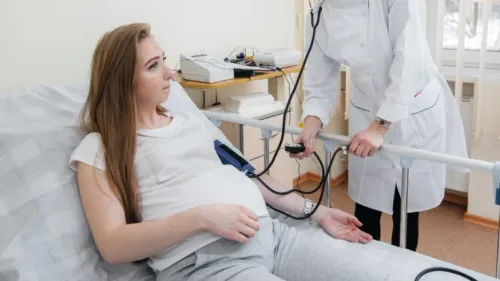


When gynaecological surgery is recommended, patients often focus immediately on whether the procedure can be done laparoscopically. The surgical route matters, but choosing appropriate care requires looking beyond the size of the incision.
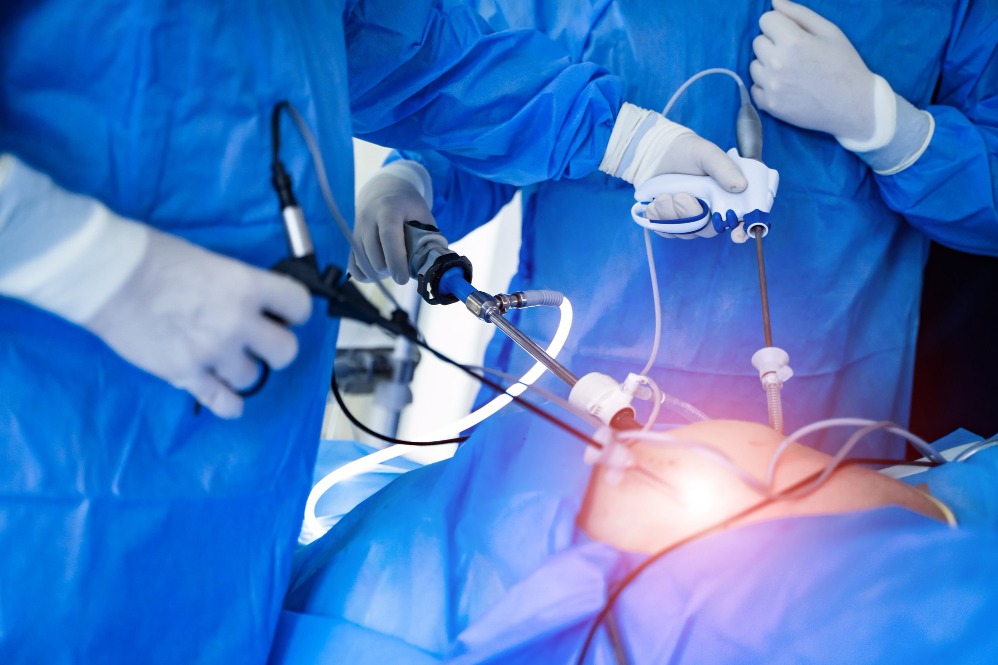
Laparoscopic gynaecology surgery uses a camera and specialised instruments introduced through small abdominal incisions. It can be used for several conditions, but suitability depends on diagnosis, surgical complexity and patient factors.
First Confirm Why Surgery Is Needed
Before selecting a surgeon or hospital, make sure the diagnosis and purpose of surgery are clear.
Ask what condition is being treated, what alternatives exist and what could happen if surgery is postponed.
Depending on the diagnosis, alternatives might include observation, medication or another procedure.
A responsible surgical discussion should explain why the recommended option fits your circumstances.
Ask Whether Laparoscopy Is Suitable for Your Case
Laparoscopic techniques may be used in selected procedures involving:
- Fibroids
- Ovarian cysts
- Endometriosis
- Ectopic pregnancy
- Certain hysterectomies
- Selected fertility-related conditions
- Other pelvic abnormalities
However, previous abdominal operations, extensive disease, very large masses and other medical factors can affect surgical planning.
The ability to perform laparoscopy does not mean it should automatically be used in every case.
Understand the Planned Procedure
Patients should know more than the name of the operation.
Before surgery, clarify:
- Which organ or abnormality is being treated?
- What exactly will be removed or repaired?
- Will the uterus or ovaries be preserved?
- Could the procedure affect fertility?
- Is there a possibility of conversion to open surgery?
- How long might hospitalisation and recovery take?
- What symptoms after discharge require urgent review?
These questions are particularly important for women planning future pregnancy.
Surgical Experience Should Match the Procedure
Gynaecological laparoscopy covers procedures with different levels of complexity.
When selecting care in Thane, consider whether the surgeon routinely evaluates and manages the particular condition involved, rather than choosing solely on general claims about minimally invasive surgery.
Preoperative assessment, anaesthesia support, hospital facilities and postoperative follow-up are also parts of surgical care.
Understand Benefits Without Ignoring Risks
For appropriately selected patients, laparoscopy may offer smaller incisions, less postoperative discomfort in some cases and earlier return to usual activities compared with open surgery.
However, it remains surgery.
Potential complications vary by procedure and can include bleeding, infection, anaesthetic complications or injury to nearby structures. Individual risks should be explained during informed consent.
Know What Recovery Involves
Recovery does not end at hospital discharge.
Patients may need instructions regarding wound care, activity, diet, medication and follow-up. The timing of return to work, exercise and sexual activity depends on the operation performed.
Women considering laparoscopic gynaecology surgery in Thane can consult Dr. Jagruti Kadam to discuss diagnosis, available surgical approaches and whether minimally invasive treatment is appropriate.
A good surgical decision is based on three things working together: the correct indication, a suitable technique and appropriate clinical support before and after the procedure. Asking detailed questions before surgery helps patients understand all three.