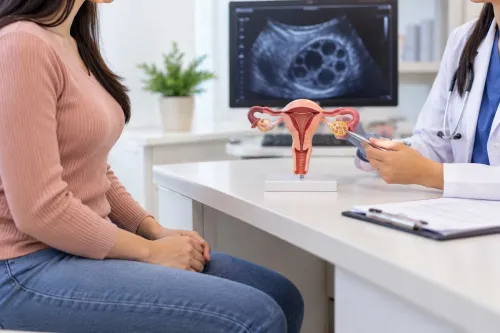



Periods can become unpredictable years before they stop, and menopause symptoms can involve sleep, mood, concentration, sexual health, urinary function and the cardiovascular system as well as temperature changes. By the end, you will know which changes fit the perimenopause transition, which signs need prompt or urgent assessment, what testing involves and how to prepare for a useful gynaecological appointment.
Key takeaways
- Irregular, heavier, or lighter periods can begin years before menopause.
- Seek urgent care for very heavy bleeding, faintness, severe pain, or pregnancy-related bleeding.
- Track bleeding, symptoms, medicines, and cycle dates before your appointment.
- Treatment depends on your symptoms, health history, risks, and test results.
How perimenopause changes your periods and symptoms
Periods often become unpredictable before they stop. During perimenopause, ovulation becomes less consistent, so cycles may arrive earlier or later, last fewer or more days, and bring lighter or heavier bleeding. These changes and other perimenopause symptoms can begin years before the final menstrual period.
Common symptoms include:
- Hot flashes and night sweats, including sudden heat, sweating and chills
- Sleep disruption, fatigue and reduced concentration
- Low mood, anxiety, irritability or depression
- Headaches and palpitations
- Joint and muscle aches
- Vaginal dryness, painful sex and reduced sexual desire
- Urinary urgency, frequent urination or repeated urinary infections
Menopause is reached after 12 consecutive months without a menstrual period when you are not using hormonal contraception. This menopause definition is retrospective: you can confirm it only after the year has passed. If contraception stops or changes your bleeding, a missing period does not reliably establish menopause.
Perimenopause symptoms can affect work, relationships and sleep even while periods continue. Menopausal hormone therapy does not prevent pregnancy, and ovulation can still occur during perimenopause, so use contraception until menopause is established or until age 55 if advised by a clinician.
Book a gynaecological appointment if symptoms disrupt daily life or you need help distinguishing perimenopause from another condition.
Which menopause symptoms need prompt or urgent assessment?
Hot flushes, night sweats, sleep disruption, vaginal dryness, painful sex, urinary symptoms, headaches, joint aches, mood changes, anxiety and reduced concentration can occur during the menopause transition. New, severe, persistent or rapidly worsening symptoms need assessment rather than automatic attribution to menopause.
| Symptom pattern | Common menopause pattern | Arrange assessment or urgent help |
|---|---|---|
| Hot flushes or palpitations | Brief episodes linked with heat, stress or sleep disturbance | Persistent palpitations, chest pain, breathlessness, fainting or an irregular heartbeat require urgent care |
| Bleeding | Irregular periods during perimenopause | Postmenopausal bleeding, bleeding between periods or very heavy bleeding needs prompt assessment; seek urgent help if you soak a pad or tampon every hour for two hours, feel faint or become weak |
| Pain | Mild muscle or joint aches, or discomfort from vaginal dryness | Severe pelvic pain, pain during sex that persists, or new abdominal pain needs prompt review |
| Breasts | Tenderness that follows hormonal changes | A new breast lump, nipple retraction, bloody discharge or skin dimpling needs prompt assessment |
| Mood and thinking | Mild low mood, anxiety, poor sleep or reduced concentration | Severe depression, inability to function, confusion or suicidal thoughts requires urgent mental-health help |
| Other changes | Gradual fatigue or symptom fluctuation | Marked fatigue, unexplained weight change, fever or symptoms suggesting anaemia or thyroid disease need clinical assessment |
Any vaginal bleeding after 12 months without a period—including pink, brown or blood-stained discharge—needs examination, even once. Do not self-diagnose it as dryness or atrophy; causes include polyps and endometrial cancer.
How a clinician assesses symptoms and decides on testing
A clinician starts with your age, period pattern and symptom timeline, then checks how symptoms affect sleep, work, sex and daily life. Bring the dates of your last periods, any bleeding changes, medicines, contraception, medical conditions, family history and pregnancy possibility.
The assessment may include:
- Questions about hot flushes, night sweats, mood, sleep, vaginal or urinary symptoms, headaches, palpitations and pain
- Blood-pressure measurement, weight or other general checks
- An abdominal or pelvic examination when bleeding, pain, vaginal symptoms or another finding makes it necessary
For someone aged 45 or over with typical symptoms, menopause diagnosis usually comes from symptoms and menstrual history. Routine hormone testing is not normally needed because levels fluctuate; a single result can falsely suggest that menopause has or has not occurred.
An FSH test is more useful when you are aged 40 to 45 and menopause is suspected, or when symptoms and periods do not give a clear answer. Suspected premature ovarian insufficiency before age 40 needs specialist evaluation, not an assumption that ordinary menopause is responsible.
In appropriate cases, clinicians use two elevated FSH results taken 4–6 weeks apart. FSH, oestradiol and AMH do not reliably confirm menopause in typical cases at age 45 or above.
Any bleeding after 12 months without a period needs assessment, including one episode of spotting or pink, brown or blood-stained discharge. The clinician may arrange an ultrasound or other investigation to identify the cause.
What treatment options may be discussed for different symptoms
Treatment is matched to the symptom, its severity and your medical history. Menopausal hormone therapy is the most effective option for hot flushes and night sweats, while non-hormonal treatments suit people who cannot or do not want to use hormones.
| Option | Symptoms addressed | Key points |
|---|---|---|
| Menopausal hormone therapy | Hot flushes, night sweats, sleep disruption and related symptoms | Systemic oestrogen is used; if you have a uterus, add adequate progestogen to protect the endometrium. |
| Vaginal oestrogen | Dryness, burning, painful sex and some urinary symptoms | Local treatment has minimal systemic absorption and can continue long term when effective. Unexplained bleeding still needs assessment. |
| Cognitive behavioural therapy for menopause | Hot flushes, night sweats, poor sleep and depressive symptoms | Structured therapy can be used alone or alongside hormone therapy; it is more than positive-thinking advice. |
| SSRIs and SNRIs | Depression or anxiety, and sometimes hot flushes | Do not routinely use them first-line solely for hot flushes when depression or anxiety is absent. |
| Gabapentin or clonidine | Selected hot-flush situations | A clinician must weigh side effects, other medicines and your health conditions. |
Before systemic treatment, review unexplained vaginal bleeding, breast or endometrial cancer, previous blood clots, stroke, heart disease, liver disease, migraine history and blood-pressure control. Review sleep medicines and mental-health risks too. Hormone therapy is not routinely started to prevent dementia or cardiovascular disease, and treatment should be reassessed periodically.
How to prepare for a routine gynaecological appointment
Record two to four weeks of symptoms before booking. Note your bleeding dates, flow, hot flushes, night sweats, sleep, mood, vaginal or urinary symptoms, headaches, palpitations, pain, and how each affects work or daily life. Include the date of your last period and any pregnancy possibility.
- Bring a menopause symptom diary, your current medicines, vitamins and herbal products, contraception details, and records of major illnesses, blood clots, breast problems, liver disease or previous operations.
- Ask for a medication review, especially if a medicine could be causing fatigue, mood changes, sleep problems or bleeding. Bring doses and how often you take each product.
- Ask whether your symptoms need examination or testing, and whether hormone blood tests would change the decision. At age 45 or above, symptoms and menstrual history often provide more useful information than fluctuating hormone levels.
- Ask specifically about contraception during perimenopause. Menopausal hormone therapy does not prevent pregnancy, and ovulation can continue while periods are irregular.
- Ask what follow-up is planned, which warning signs require urgent care, and whether your history calls for specialist input before systemic hormone therapy.
Dr. Jagruti Kadam 8048033934 can help organise individualized menopause support in Thane, including a structured review of symptoms, medicines and contraception. Do not wait for a routine appointment if you have very heavy bleeding, chest pain, fainting, severe pelvic pain, or suicidal thoughts.
Related service
Menopause Care Treatment ₹1000 Dr. Jagruti Kadam provides comprehensive menopause care focused on easing symptoms and improving quality of life during this natural transition. View service → |
Frequently asked questions
How does perimenopause change your periods?
Ovulation becomes less consistent, so periods may arrive earlier or later, last fewer or more days, and become lighter or heavier. These changes can begin years before the final menstrual period.
Which menopause symptoms need prompt or urgent assessment?
Arrange prompt assessment for bleeding after twelve months without a period, bleeding between periods, bleeding after sex, or a clear change in your usual pattern. Seek urgent care for soaking pads rapidly, severe pelvic pain, faintness, weakness, or bleeding during pregnancy.
How does a clinician assess menopause symptoms?
A clinician reviews your cycle history, bleeding pattern, symptoms, medicines, contraception, pregnancy possibility, and medical history. Testing is chosen when your age, symptoms, examination findings, or bleeding pattern indicate another cause needs investigation.
What treatments may be discussed for menopause symptoms?
Options depend on the symptom and your health history. Discussions may include lifestyle measures, non-hormonal medicines, menopausal hormone therapy, local vaginal oestrogen, or treatments for heavy bleeding and sleep or mood symptoms.
How should you prepare for a routine gynaecological appointment?
Record period dates, bleeding amount, pain, hot flushes, sleep and mood changes, medicines, contraception, medical conditions, and your questions. Bring relevant reports and note when symptoms started or changed.