

Many women experience menstrual cramps, but severe pain that disrupts work, education, sleep, or daily activities should never be ignored. While painful periods are common, persistent or worsening pelvic pain may indicate endometriosis, a condition that often remains undiagnosed for years because its symptoms are mistaken for 'normal period pain.'
Recognizing the difference between ordinary menstrual discomfort and endometriosis allows women to seek timely medical evaluation and appropriate treatment before the condition affects their quality of life or fertility.
What Is Endometriosis?
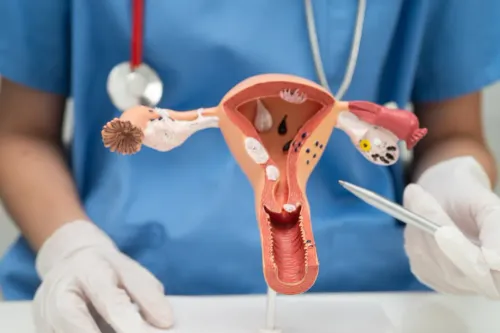
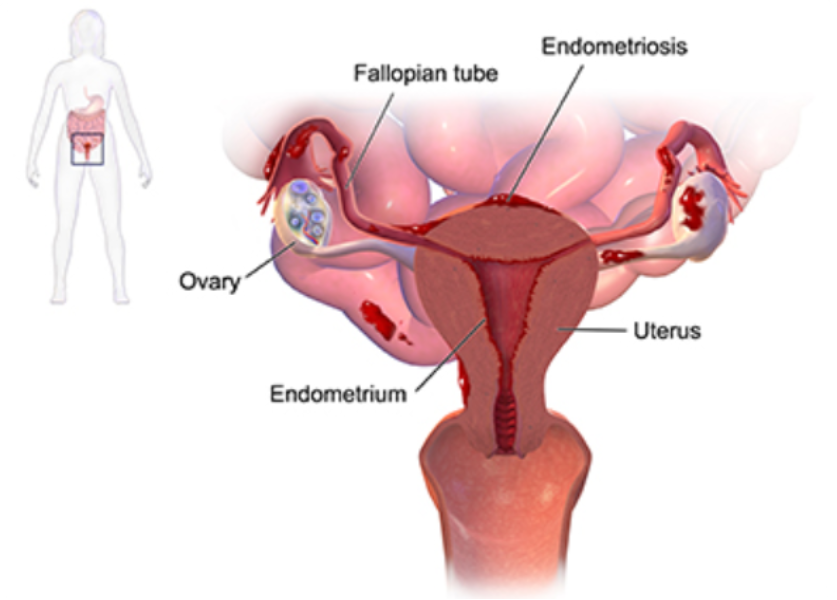
Endometriosis occurs when tissue similar to the lining of the uterus grows outside the uterus.
This tissue may develop on:
- Ovaries
- Fallopian tubes
- Pelvic lining
- Bladder
- Bowel
- Other pelvic structures
Because this tissue responds to monthly hormonal changes, it can lead to inflammation, scarring, and persistent pain.
How Is It Different from Regular Menstrual Cramps?
Typical menstrual cramps generally:
- Improve with routine pain medication
- Last for one to three days
- Do not prevent normal daily activities
Pain caused by endometriosis may:
- Begin before menstruation
- Continue after periods end
- Become progressively worse over time
- Occur during intercourse
- Cause discomfort during bowel movements or urination
- Affect work and everyday life
These differences are important indicators that further evaluation may be needed.
Other Symptoms That May Occur
Women with endometriosis may also experience:
- Heavy menstrual bleeding
- Chronic pelvic pain
- Infertility
- Lower back pain
- Fatigue
- Bloating
- Digestive discomfort during menstruation
Symptoms vary considerably from one individual to another.
How Is Endometriosis Diagnosed?
Diagnosis usually involves:
- Detailed medical history
- Pelvic examination
- Ultrasound
- MRI when appropriate
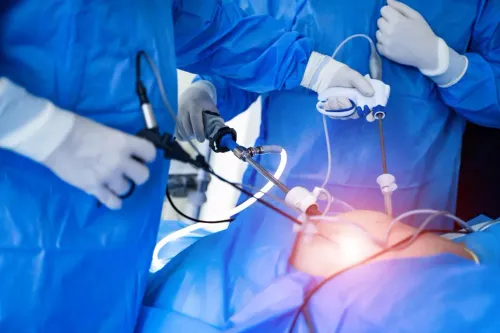
- Diagnostic laparoscopy in selected cases
Early diagnosis helps guide suitable treatment and reduce long-term complications.
Available Treatment Options
Treatment depends on:
- Age
- Severity of symptoms
- Extent of disease
- Future pregnancy plans
- Overall health
Management may include:
- Pain-relieving medicines
- Hormonal therapy
- Lifestyle modifications
- Laparoscopic surgery when clinically indicated
Each treatment plan is personalized according to the patient's needs.
Can Endometriosis Affect Fertility?
Some women with endometriosis conceive naturally, while others may experience difficulty because inflammation or scar tissue can affect reproductive organs.
Early diagnosis provides more opportunities to plan treatment according to fertility goals.
When Should You Consult a Gynecologist?
Medical evaluation is recommended if:
- Menstrual pain prevents normal activities.
- Pain becomes worse each month.
- Pain continues after menstruation.
- Pregnancy is difficult despite regular attempts.
- Pain medicines provide little relief.
Persistent pelvic pain should never be dismissed as a routine part of menstruation. Early evaluation allows the underlying cause to be identified and helps women receive timely treatment that supports long-term reproductive health, symptom relief, and an improved quality of life.