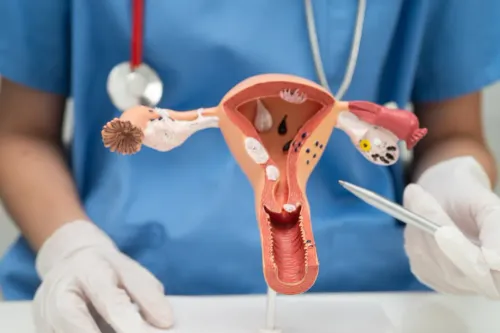


Receiving an ultrasound report that mentions a fibroid or an ovarian cyst can be worrying, especially if you are unfamiliar with these conditions. Although both affect the female reproductive system, they develop in different organs, cause different symptoms, and require different approaches to treatment. Understanding these differences helps women make informed healthcare decisions instead of relying on assumptions or incomplete information.
Many women in Thane undergo pelvic ultrasounds for menstrual problems, pelvic pain, or fertility concerns, making it useful to understand what these findings actually mean.
What Is a Fibroid?
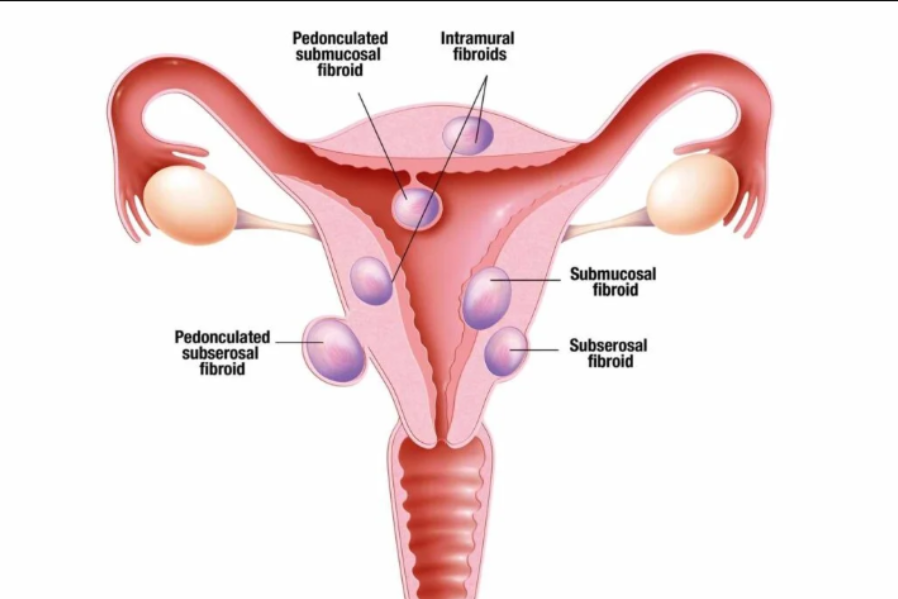
Fibroids are non-cancerous growths that develop within or around the muscular wall of the uterus. They vary considerably in size and number.
Many women have fibroids without experiencing any symptoms.
Others may notice:
- Heavy menstrual bleeding
- Pelvic pressure
- Frequent urination
- Lower abdominal discomfort
- Constipation
- Pain during menstruation
Symptoms often depend on the fibroid's size and location.
What Is an Ovarian Cyst?
An ovarian cyst is a fluid-filled sac that develops inside or on the surface of an ovary.
Many ovarian cysts are harmless and disappear naturally over time. However, some may require monitoring or treatment depending on their characteristics.
Possible symptoms include:
- Pelvic pain
- Bloating
- Pain during intercourse
- Irregular periods
- Sudden severe pain if complications occur
Some women have no symptoms at all.
How Are They Diagnosed?
Diagnosis usually begins with:
- Medical history
- Pelvic examination
- Pelvic ultrasound
If additional information is needed, your doctor may recommend MRI scans or laboratory investigations.
These tests help determine the most appropriate management plan.
Do Fibroids Always Need Surgery?
No.
Treatment depends on:
- Size
- Number
- Symptoms
- Future pregnancy plans
- Overall health
Many women are managed successfully with observation or medication.
Surgery is generally considered only when symptoms significantly affect quality of life or fertility.
Can They Affect Pregnancy?
Some fibroids and certain ovarian cysts may influence fertility or pregnancy depending on their size and location.
However, many women with these conditions have completely healthy pregnancies.
This is why individualized medical assessment is essential rather than assuming every fibroid or cyst requires treatment.
When Should You Seek Medical Advice?
Consult a gynecologist if you experience:
- Heavy menstrual bleeding
- Persistent pelvic pain
- Rapid abdominal enlargement
- Difficulty conceiving
- Pain that interferes with daily life
- Recurrent abnormal bleeding
Early diagnosis allows treatment decisions to be based on clinical findings instead of symptoms alone.
Understanding the difference between fibroids and ovarian cysts can reduce unnecessary anxiety and support better healthcare decisions. Regular gynecological evaluation ensures that any changes are monitored appropriately and that treatment is recommended only when it is clinically necessary.