

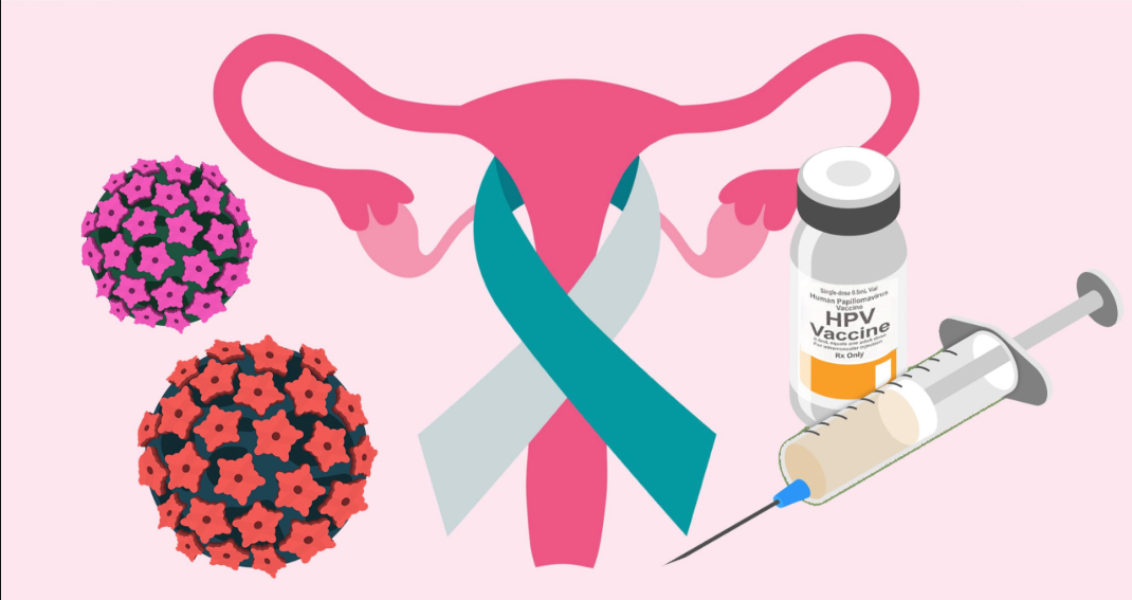
Preventive healthcare has become an essential part of women's health, and one of the most effective preventive measures available today is the Human Papillomavirus (HPV) vaccination. HPV is a common viral infection, and while many infections resolve naturally, certain high-risk types are associated with cervical cancer and other HPV-related diseases.
Understanding who should receive the vaccine, the recommended age groups, and how it contributes to long-term health allows individuals and families to make informed healthcare decisions.
What Is HPV?
Human Papillomavirus (HPV) is a group of viruses that spreads primarily through intimate skin-to-skin contact.
Many HPV infections do not cause symptoms and resolve without treatment. However, persistent infection with certain high-risk HPV types can increase the risk of developing cervical cancer and other related conditions.
How Does HPV Vaccination Help?
The HPV vaccine helps the immune system develop protection against the virus before exposure occurs.
It is designed to prevent infection from the HPV types most commonly associated with cervical cancer and several other HPV-related diseases.
It is important to remember that the vaccine prevents infection but does not treat an existing HPV infection.
What Is the Recommended Age for HPV Vaccination?
The recommended age depends on individual circumstances.
General recommendations include:
- Girls and boys aged 9 to 14 years: This is the preferred age group for vaccination because the immune response is strongest before exposure to HPV. Two doses are generally recommended according to the advised schedule.
- Adolescents and young adults aged 15 to 26 years: Individuals who were not vaccinated earlier can receive catch-up vaccination. Three doses are commonly recommended.
- Adults aged 27 to 45 years: Some individuals may still benefit from vaccination after discussing their personal health history and risk factors with their healthcare provider.
Vaccination recommendations may vary depending on national guidelines and individual medical circumstances.
Is the Vaccine Safe?
HPV vaccines have been extensively studied and continue to undergo ongoing safety monitoring worldwide.
Most side effects are mild and temporary, including:
- Pain at the injection site
- Mild fever
- Fatigue
- Headache
Serious adverse reactions are uncommon.
Common Misconceptions
Several myths continue to discourage vaccination.
The facts include:
- The vaccine does not affect fertility.
- It does not cause HPV infection.
- It does not encourage early sexual activity.
- Vaccinated women should still undergo regular cervical cancer screening.
Understanding these facts helps families make evidence-based healthcare decisions.
Does HPV Vaccination Replace Cervical Screening?
No.
Even after receiving the vaccine, women should continue:
- Regular gynecological check-ups
- Cervical cancer screening as recommended
- Healthy lifestyle practices
- Follow-up when advised by their healthcare provider
Vaccination is one important component of comprehensive cervical cancer prevention, but it does not replace routine screening.
Choosing preventive healthcare measures early can significantly reduce future health risks. Discussing HPV vaccination with a qualified healthcare professional helps individuals understand the most appropriate timing, eligibility, and vaccination schedule based on their age, medical history, and current recommendations.