

Some gynecological conditions affect the inside of the uterus and cannot always be fully evaluated through routine examinations or ultrasound alone. In such situations, hysteroscopy provides a valuable way to directly examine the uterine cavity and, in many cases, treat the underlying problem during the same procedure.
Understanding when hysteroscopic surgery is recommended and what the procedure involves can help women feel more informed and confident if it becomes part of their treatment plan.
What Is Hysteroscopy?
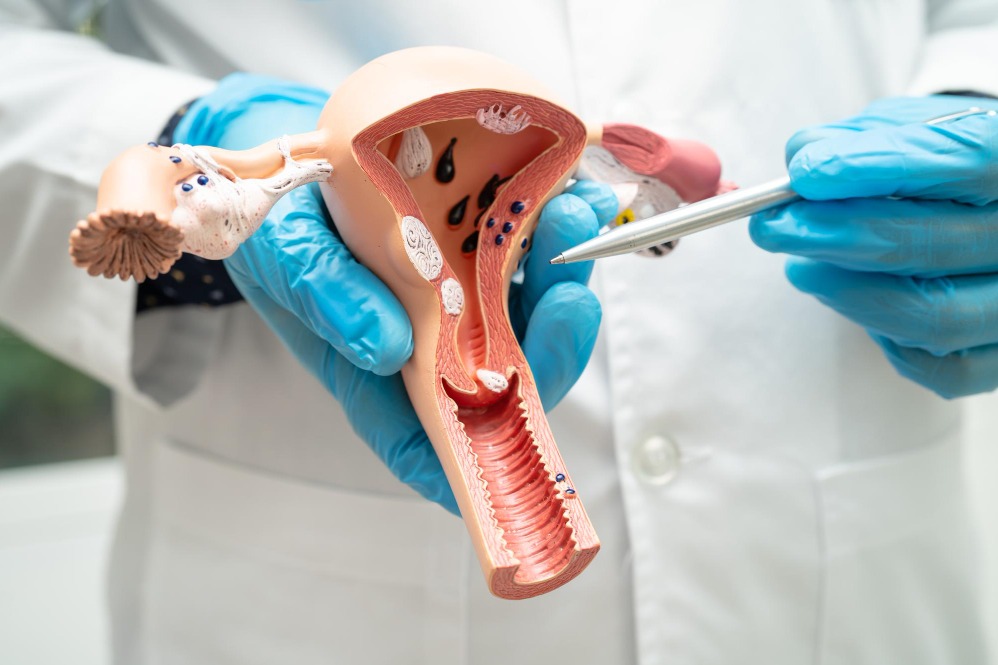
Hysteroscopy is a minimally invasive procedure in which a thin, telescope-like instrument called a hysteroscope is gently inserted through the cervix to examine the inside of the uterus.
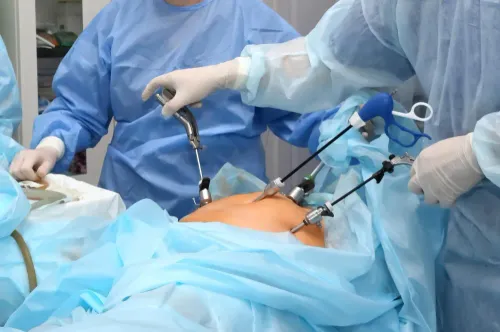
Unlike abdominal surgery, hysteroscopy does not require external incisions.
Depending on the situation, it may be performed as a diagnostic procedure or as an operative procedure to treat certain conditions.
When Is Hysteroscopy Recommended?
A hysteroscopic surgeon may recommend this procedure for:
- Abnormal uterine bleeding
- Uterine polyps
- Submucosal fibroids
- Uterine septum
- Retained pregnancy tissue
- Investigation of infertility
- Recurrent miscarriage
- Abnormal findings on ultrasound
The decision depends on clinical findings and individual medical history.
How Is the Procedure Performed?
A typical hysteroscopy involves:
- Pre-procedure evaluation.
- Appropriate anesthesia when required.
- Gentle insertion of the hysteroscope through the cervix.
- Examination of the uterine cavity.
- Treatment of identified abnormalities if planned.
The procedure is generally completed within a short period, although the duration varies depending on the treatment required.
Advantages of Hysteroscopic Surgery
Hysteroscopy offers several benefits, including:
- No external surgical incision
- Direct visualization of the uterine cavity
- Accurate diagnosis
- Treatment during the same procedure in many cases
- Faster recovery
- Minimal postoperative discomfort
The exact advantages depend on the medical condition being treated.
Recovery After the Procedure
Many women experience mild cramping or light spotting for a short time after hysteroscopy.
Doctors usually recommend:
- Rest for the remainder of the day
- Drinking plenty of fluids
- Taking prescribed medications
- Avoiding strenuous activity for a short period
- Attending follow-up visits
Recovery instructions may differ depending on whether a diagnostic or operative hysteroscopy was performed.
Questions to Discuss Before the Procedure
Before undergoing hysteroscopy, consider asking your gynecologist:
- Why is this procedure recommended?
- Are there alternative treatment options?
- Will treatment be performed during the same procedure?
- What type of anesthesia will be used?
- How long will recovery take?
- When can normal activities be resumed?
Being well-informed helps patients participate actively in treatment decisions.
Hysteroscopy has become an important tool in modern gynecology for diagnosing and treating selected uterine conditions with minimal disruption to daily life. A thorough consultation and individualized evaluation help determine whether this procedure is the most appropriate option based on each woman's symptoms, reproductive goals, and overall health