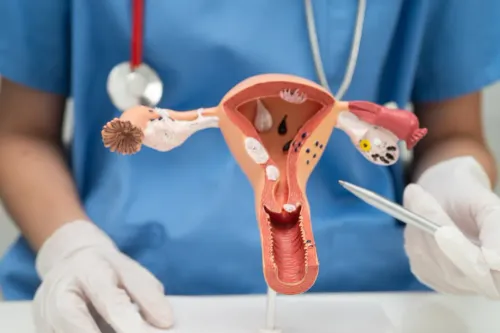


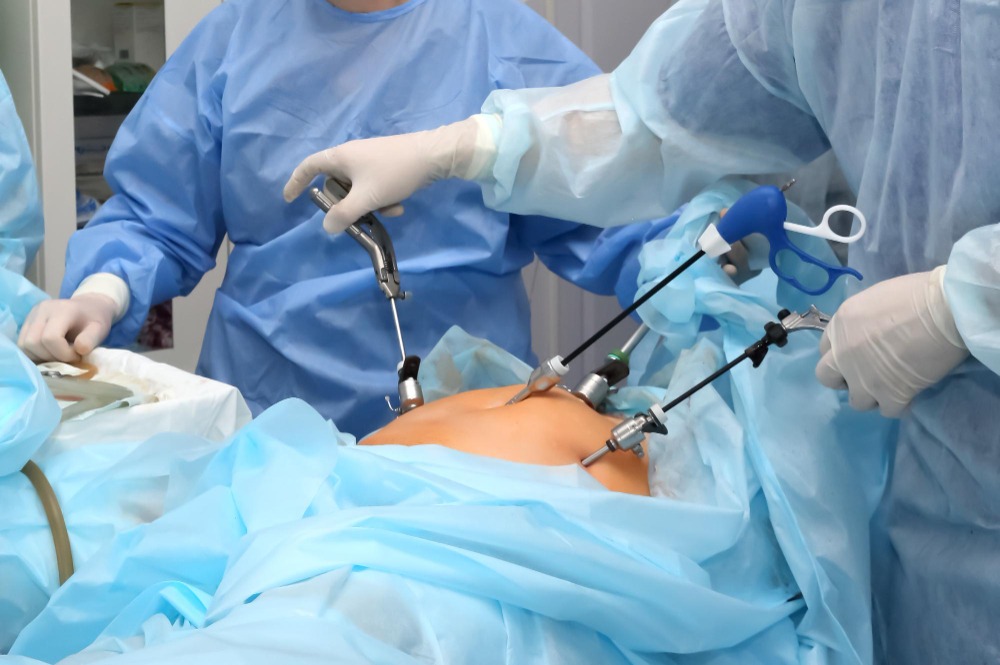
Advancements in medical technology have transformed the way many gynecological conditions are treated. Today, minimally invasive surgery has become a preferred option for several procedures because it allows surgeons to operate through smaller incisions or natural body openings while minimizing trauma to surrounding tissues. For many women, this approach can lead to a smoother recovery, shorter hospital stay, and quicker return to daily life.
However, minimally invasive surgery is not suitable for every patient or every condition. The decision depends on the diagnosis, the severity of symptoms, overall health, and individual treatment goals. Understanding when this surgical approach is recommended can help women make informed healthcare decisions.
What Is Minimally Invasive Surgery?
Minimally invasive gynecological surgery includes procedures performed using advanced instruments instead of large abdominal incisions.
The two most commonly used techniques are:
- Laparoscopic surgery
- Hysteroscopic surgery
These procedures are performed for carefully selected patients after a complete medical evaluation.
Which Conditions Can Be Treated?
Depending on the diagnosis, minimally invasive surgery may be recommended for:
- Uterine fibroids
- Endometriosis
- Ovarian cysts
- Ectopic pregnancy
- Pelvic adhesions
- Abnormal uterine bleeding
- Certain infertility-related conditions
- Selected hysterectomy procedures
The treatment plan is individualized based on the patient's needs.
Benefits of Minimally Invasive Surgery
Compared with conventional open surgery, minimally invasive procedures often provide several advantages.
These may include:
- Smaller incisions
- Reduced postoperative pain
- Lower blood loss
- Faster healing
- Shorter hospital stay
- Earlier return to routine activities
- Smaller scars
Recovery varies according to the complexity of the procedure and the patient's overall health.
How Do Doctors Decide If Surgery Is Appropriate?
The decision is based on several important factors, including:
- Medical history
- Current symptoms
- Physical examination
- Ultrasound or MRI findings
- Previous surgeries
- Future pregnancy plans
- General health status
Surgery is recommended only when the expected benefits outweigh the potential risks.
Preparing for Surgery
Good preparation contributes to a smoother recovery.
Patients are usually advised to:
- Complete recommended investigations
- Inform the doctor about all medications
- Follow fasting instructions before surgery
- Arrange transportation home if discharged the same day
- Understand postoperative care instructions
Discussing concerns with the surgical team beforehand helps patients feel more confident.
Recovery and Follow-Up
Recovery depends on the type of procedure performed.
General recommendations include:
- Walking as advised after surgery
- Drinking adequate fluids
- Taking medicines exactly as prescribed
- Avoiding strenuous activity during the recovery period
- Attending scheduled follow-up appointments
Following medical advice helps reduce complications and supports proper healing.
Every surgical decision should be based on careful evaluation and open discussion between the patient and the treating gynecologist. Understanding the available treatment options, expected benefits, possible risks, and recovery process enables women to make informed decisions that support their long-term reproductive and overall health.