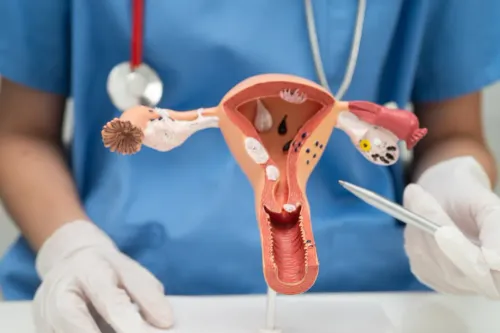



A menstrual cycle is an important indicator of a woman's overall reproductive health. While slight variations in cycle length or flow are common, persistent irregularities should not be overlooked. Changes in menstrual patterns may sometimes reflect hormonal imbalances, metabolic conditions, or underlying gynecological disorders that require medical attention.
Many women delay seeking advice because they believe irregular periods are a normal part of life. Although occasional changes due to stress, travel, illness, or lifestyle factors can occur, recurring menstrual problems deserve proper evaluation. Early diagnosis often makes treatment simpler and helps prevent future complications related to fertility and general health.
What Are Menstrual Disorders?
Menstrual disorders refer to changes in the frequency, duration, flow, or pain associated with periods. These may include:
- Irregular menstrual cycles
- Heavy menstrual bleeding
- Very light periods
- Missed periods
- Painful menstruation
- Bleeding between periods
- Prolonged menstrual bleeding
The underlying cause varies from one woman to another, making an individualized assessment important.
Common Causes of Menstrual Disorders
Several medical and lifestyle factors can contribute to menstrual irregularities.
Some common causes include:
- PMOS (Polyendocrine Metabolic Ovarian Syndrome)
- Thyroid disorders
- Endometriosis
- Uterine fibroids
- Hormonal imbalance
- Significant weight changes
- Excessive physical exercise
- Emotional stress
- Perimenopause
- Pregnancy
Identifying the exact cause helps determine the most suitable treatment.
Symptoms That Should Not Be Ignored
Consult a gynecologist if you experience:
- Cycles shorter than 21 days or longer than 35 days
- Heavy bleeding requiring frequent pad changes
- Bleeding lasting longer than seven days
- Severe menstrual pain
- Bleeding after menopause
- Bleeding between menstrual cycles
- Missing multiple periods without pregnancy
Persistent symptoms should never be ignored simply because they seem common.
How Are Menstrual Disorders Diagnosed?
A detailed evaluation usually includes a discussion about menstrual history, lifestyle, medications, and previous medical conditions.
Investigations may include:
- Blood tests
- Hormonal evaluation
- Thyroid function tests
- Pelvic ultrasound
- Pregnancy test when appropriate
- Additional imaging or diagnostic procedures if required
These investigations help identify the underlying cause rather than focusing only on symptom relief.
Can Lifestyle Affect Menstrual Health?
Yes. Lifestyle plays an important role in maintaining hormonal balance.
Helpful measures include:
- Maintaining a healthy weight
- Eating a balanced diet
- Exercising regularly
- Managing stress
- Getting sufficient sleep
- Following treatment plans for existing medical conditions
Healthy habits often complement medical treatment and improve overall well-being.
Treatment Depends on the Diagnosis
Treatment varies according to the underlying cause.
Depending on the diagnosis, management may include:
- Lifestyle modification
- Hormonal medications
- Treatment for thyroid disorders
- Management of PMOS
- Treatment for fibroids or endometriosis
- Surgical treatment in selected situations
Each treatment plan is tailored to the patient's age, symptoms, reproductive goals, and overall health.
Maintaining a healthy menstrual cycle is an important part of women's health at every stage of life. If menstrual changes persist or interfere with daily activities, seeking timely medical evaluation can help identify the cause early and support appropriate treatment before complications develop.