
PMOS (Polyendocrine Metabolic Ovarian Syndrome) is a hormonal and metabolic condition that can affect women during their reproductive years. It may influence menstrual cycles, ovulation, metabolism, fertility, and overall hormonal balance. Early diagnosis and appropriate management can improve reproductive health and support long-term well-being.
Many women remain undiagnosed because the symptoms often develop gradually or are mistaken for normal hormonal changes. Understanding PMOS empowers women to recognize early signs, seek medical advice, and make lifestyle changes that support better hormonal and metabolic health.
What Is PMOS?
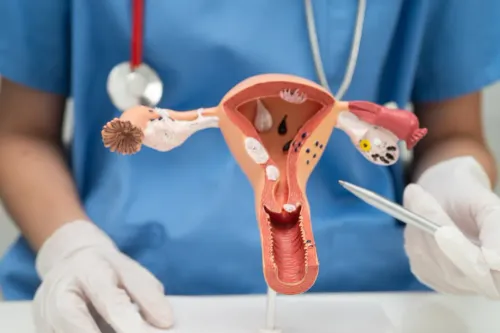
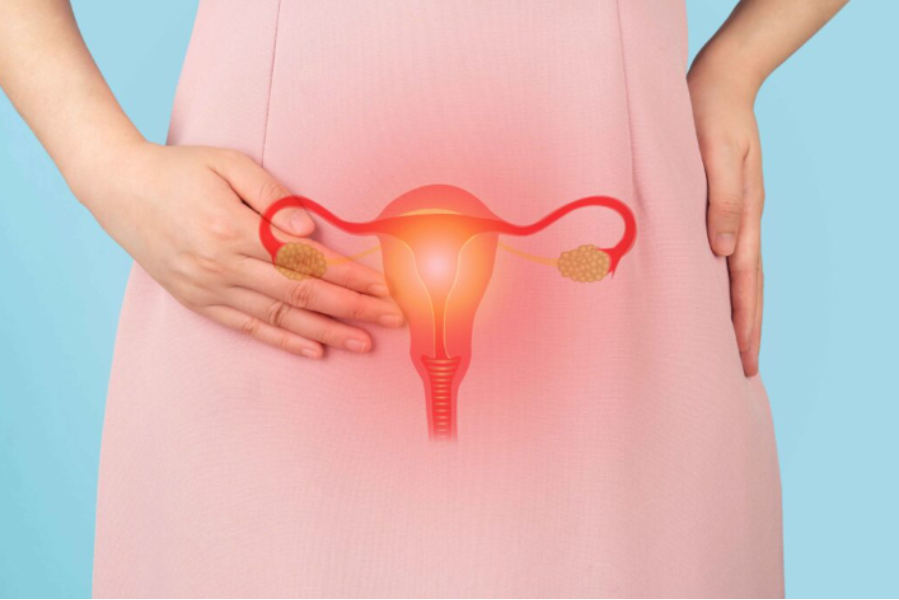
PMOS is a condition in which hormonal and metabolic imbalance affects the normal functioning of the ovaries. It may interfere with regular ovulation and menstrual cycles while also influencing insulin metabolism and overall endocrine health.
The symptoms and severity differ from one woman to another.
Common Symptoms
Women may experience one or several symptoms, including:
- Irregular periods
- Missed menstrual cycles
- Excess facial or body hair
- Acne
- Weight gain
- Difficulty losing weight
- Hair thinning
- Darkened skin around the neck or underarms
- Difficulty conceiving
Symptoms may begin during adolescence or develop later in adulthood.
What Causes PMOS?
The exact cause remains uncertain, but researchers believe multiple factors contribute.
These include:
- Hormonal imbalance
- Insulin resistance
- Family history
- Genetic predisposition
- Chronic low-grade inflammation
Rather than a single cause, PMOS usually develops due to the interaction of several biological and lifestyle factors.
How Is PMOS Diagnosed?
Diagnosis involves a combination of medical history, physical examination, laboratory tests, and imaging studies.
Doctors may recommend:
- Hormone evaluation
- Blood sugar testing
- Lipid profile
- Pelvic ultrasound
- Thyroid assessment
- Additional hormone tests where necessary
Accurate diagnosis helps determine the most appropriate management plan.
Can PMOS Affect Fertility?
Yes. Irregular ovulation associated with PMOS may make conception more challenging for some women.
However, many women with PMOS successfully conceive with appropriate medical guidance, lifestyle modifications, and individualized treatment.
Lifestyle Changes That Make a Difference
Lifestyle management is one of the most effective components of PMOS care.
Helpful measures include:
- Regular physical activity
- Balanced nutrition
- Weight management
- Adequate sleep
- Stress reduction
- Routine medical follow-up
Even modest improvements in weight and metabolic health may help improve ovulation and menstrual regularity.
Treatment Options
Treatment depends on symptoms, age, and future pregnancy plans.
Management may include:
- Lifestyle counselling
- Medicines to regulate menstrual cycles
- Ovulation support when pregnancy is desired
- Treatment for acne or excess hair growth
- Blood sugar management when appropriate
Regular follow-up allows treatment to be adjusted according to changing health needs.
Long-Term Health Considerations
If left unmanaged, PMOS may increase the risk of several long-term health conditions.
These may include:
- Type 2 diabetes
- High blood pressure
- High cholesterol
- Sleep-related disorders
- Endometrial changes
- Cardiovascular risk factors
Regular health check-ups, healthy lifestyle choices, and timely medical care can help reduce these risks and support overall well-being. Early evaluation of persistent menstrual irregularities or hormonal symptoms allows women to receive appropriate guidance and personalized treatment before complications develop.