

Minimally invasive surgery has changed how many gynaecological conditions can be evaluated and treated. Instead of relying on a large abdominal incision, surgeons may use laparoscopic or hysteroscopic techniques that allow access through small incisions or natural openings, depending on the condition.
For women in Thane and other parts of Maharashtra considering surgery for fibroids, ovarian cysts, abnormal uterine bleeding or certain other gynaecological problems, understanding these techniques can make treatment discussions easier and more informed.
What Is Minimally Invasive Gynaecological Surgery?
Minimally invasive gynaecological surgery generally refers to procedures performed using specialised instruments and visualisation systems while limiting the size or number of surgical incisions.
Two commonly used approaches are:
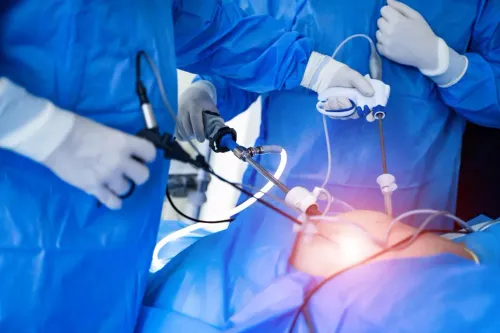
- Laparoscopy, where a camera and fine instruments are introduced through small abdominal incisions
- Hysteroscopy, where a thin viewing instrument is passed through the vagina and cervix to examine or treat conditions inside the uterus
The appropriate method depends on the diagnosis, location of the problem, previous medical history and individual treatment goals.
Conditions That May Be Treated
Minimally invasive techniques may be considered for selected cases involving:
- Uterine fibroids
- Ovarian cysts
- Endometriosis
- Certain causes of infertility
- Abnormal uterine bleeding
- Uterine polyps
- Some adhesions
- Selected ectopic pregnancies
- Diagnostic evaluation of pelvic problems
Not every patient with these conditions requires surgery. Medication, observation or other treatment may be more suitable in some situations.
Why Smaller Incisions Can Matter
A smaller incision does not automatically mean a minor procedure. However, when minimally invasive surgery is clinically appropriate, it may offer practical advantages compared with conventional open surgery.
Depending on the procedure and patient, these can include reduced tissue disruption, smaller scars, shorter hospitalisation and an earlier return to routine activities.
Recovery still varies considerably. The complexity of surgery, anaesthesia, underlying health conditions and extent of disease all influence how quickly a patient recovers.
Laparoscopy and Hysteroscopy Are Different
Patients sometimes use these terms interchangeably, but they involve different routes.
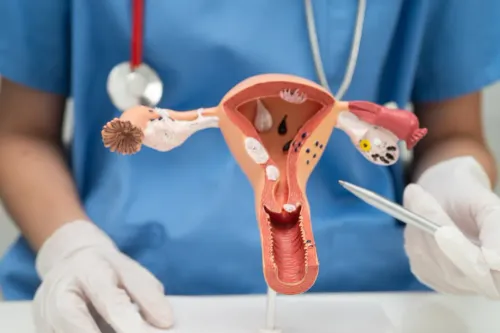
Laparoscopy allows the surgeon to view the pelvic organs from inside the abdomen. It can therefore be useful for conditions affecting the uterus, fallopian tubes, ovaries or surrounding pelvic structures.
Hysteroscopy focuses specifically on the uterine cavity. It may be useful when symptoms are caused by polyps, selected fibroids, adhesions or other abnormalities within the uterus.
In some cases, both techniques may contribute to diagnosis or treatment.
What Determines Whether It Is Suitable?
Before recommending surgery, a gynaecologist may consider symptoms, examination findings, ultrasound or other imaging, previous treatments, pregnancy plans and medical history.
For women hoping to preserve fertility, the exact location and nature of a condition can be particularly important when planning treatment.
Women consulting Dr. Jagruti Kadam in Thane can discuss whether a minimally invasive approach is appropriate for their specific diagnosis rather than assuming that one surgical technique suits every condition.
Minimally invasive surgery is best understood as a range of surgical approaches rather than a single treatment. A clear diagnosis and individual assessment remain the foundation for deciding whether surgery is necessary and which technique is most appropriate.