

For many couples, planning a family is an exciting milestone. While some conceive within a few months, others may take longer despite regular attempts. Infertility is a common medical condition that affects both men and women, and in many cases, the underlying cause can be identified through a systematic evaluation. Seeking medical advice at the right time can help couples understand their fertility health and explore appropriate treatment options without unnecessary delays.
Couples in Thane and other parts of Maharashtra are becoming increasingly aware that infertility is not solely a women's health issue. Since both partners contribute to conception, a complete assessment often involves evaluating both individuals rather than focusing on only one partner.
What Is Infertility?
Infertility is generally defined as the inability to conceive after:
- One year of regular, unprotected intercourse for women younger than 35 years.
- Six months of regular, unprotected intercourse for women aged 35 years or above.
This definition helps determine when medical evaluation is recommended. It does not necessarily mean that pregnancy is impossible.
What Can Cause Infertility?
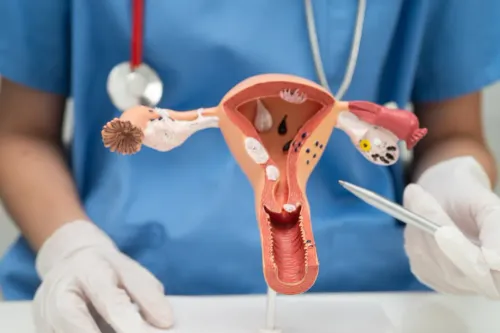
Several factors may affect fertility in women.
These include:
- PMOS (Polyendocrine Metabolic Ovarian Syndrome)
- Ovulation disorders
- Endometriosis
- Uterine fibroids
- Blocked fallopian tubes
- Hormonal imbalance
- Increasing maternal age
Male factors may include:
- Reduced sperm count
- Poor sperm movement
- Hormonal disorders
- Lifestyle-related factors
- Certain medical conditions
In some couples, no obvious cause is identified despite detailed investigations.
When Should You Consider a Fertility Evaluation?
It is advisable to seek medical advice if:
- Pregnancy has not occurred within the recommended time frame.
- Menstrual cycles are highly irregular.
- There is a history of recurrent miscarriages.
- One partner has a known reproductive health condition.
- Previous pelvic infections or surgeries have occurred.
- There are concerns about sperm health.
Early evaluation often provides more treatment options.
How Is Infertility Investigated?
The first consultation usually includes a detailed discussion about medical history, menstrual cycles, previous pregnancies, medications, and lifestyle habits.
Investigations may include:
- Hormonal blood tests
- Ovulation assessment
- Pelvic ultrasound
- Evaluation of the uterus and fallopian tubes
- Semen analysis
- Thyroid and metabolic testing when indicated
The choice of investigations depends on each couple's medical history and symptoms.
Can Lifestyle Influence Fertility?
Yes. Healthy lifestyle habits play an important role in reproductive health.
Doctors commonly recommend:
- Maintaining a healthy body weight
- Following a balanced diet
- Exercising regularly
- Avoiding tobacco and excessive alcohol
- Managing stress
- Sleeping adequately
- Controlling chronic medical conditions
Although lifestyle changes alone may not resolve every fertility issue, they often support overall reproductive health.
What Treatment Options Are Available?
Treatment depends on identifying the underlying cause rather than applying the same approach to every couple.
Management may include:
- Lifestyle modification
- Ovulation support
- Hormonal treatment
- Surgical correction of specific conditions
- Assisted reproductive techniques when appropriate
Treatment recommendations are personalized after careful evaluation.
Infertility can feel emotionally challenging, but timely assessment allows couples to better understand their reproductive health and available treatment pathways. Seeking guidance early may improve opportunities for successful treatment while providing clarity, reassurance, and informed decision-making throughout the fertility journey.