

Pain that starts before bleeding, continues after a period, or increasingly disrupts sleep, work, sex, or daily activities deserves more than repeated self-treatment. You will learn which symptom patterns raise concern, how endometriosis overlaps with other conditions, when to seek urgent care, and what a useful assessment involves.
Key takeaways
- Pain that disrupts daily life or worsens over time needs assessment.
- Track pain timing, bleeding, bowel symptoms, urinary symptoms, and medicines.
- Seek urgent care for sudden severe pain, fainting, heavy bleeding, or fever.
- Assessment may include a symptom review, pelvic examination, ultrasound, and referral.
What pattern of period pain should make you consider endometriosis?
Persistent period pain deserves assessment when it follows a consistent cycle but does not settle like ordinary cramps. Consider endometriosis when you notice:
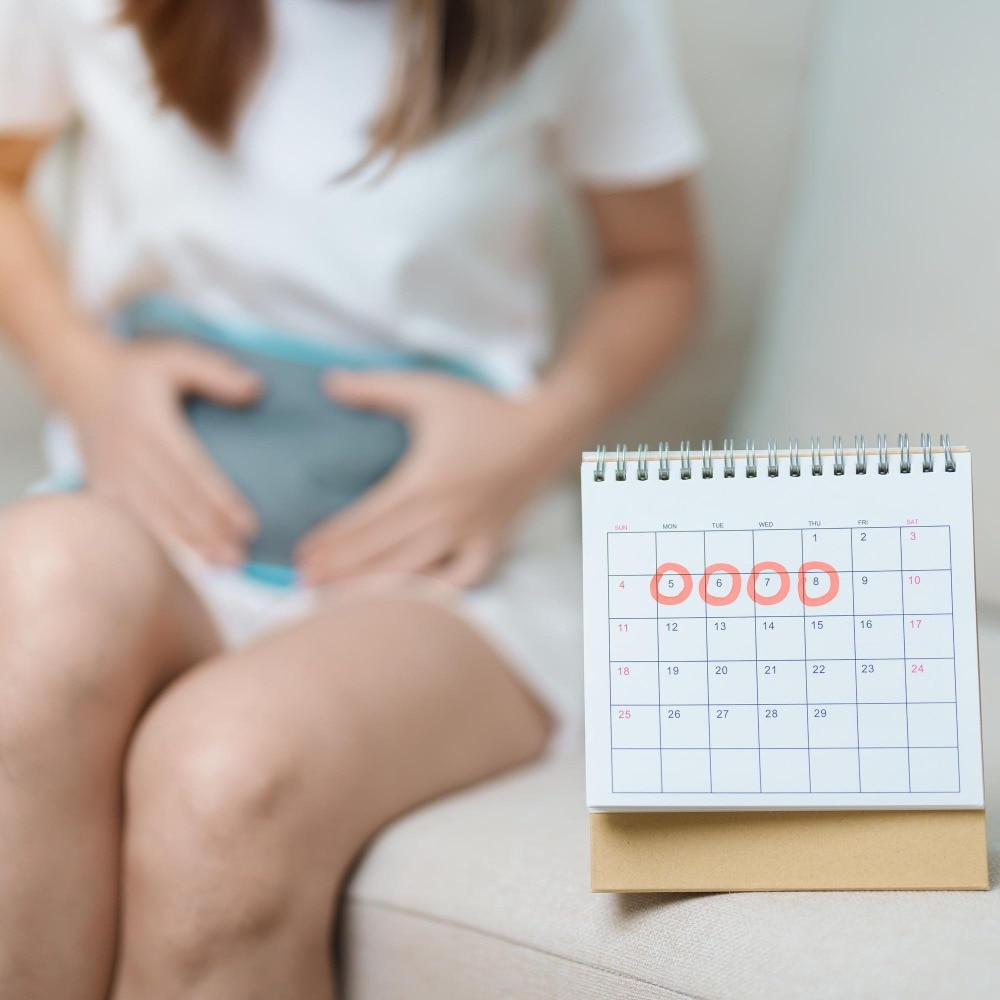
1. Pain before period: discomfort starts several days before bleeding, peaks during menstruation, and becomes pain after menstruation rather than ending when bleeding stops.
2. Progressive pelvic pain impacting daily activities or sex: pain worsens over successive cycles or disrupts sleep, school, work, exercise, sex, or routine tasks.
3. Pain that resists treatment: symptoms continue after an adequate trial of usual anti-inflammatory pain relief, such as ibuprofen when safe for you, or hormonal treatment prescribed for period pain.
4. Pain outside the uterus: discomfort may affect the lower abdomen, pelvis, lower back, rectum, or bladder, or radiate into the legs. Endometriosis pain is not limited to menstruation; it can become persistent or chronic.
Pain intensity does not show how much disease is present. Small or superficial lesions can cause severe pain, while extensive endometriosis can cause little pain. Mild-looking symptoms still warrant evaluation when they recur, follow the menstrual cycle, or interfere with daily life.
Endometriosis can begin in adolescence. A normal internal examination is common in adolescents, and it does not rule out endometriosis; many do not have a suitable internal examination at that age.
Which other symptoms are linked with endometriosis?
Symptoms outside period cramps can point toward endometriosis, especially when they repeat before or during bleeding and improve afterward. Deep pain during sex or afterward, painful bowel movements, and painful urination during menstruation deserve attention when they follow this cycle.
| Symptom or clue | Timing to record | Why it matters |
|---|---|---|
| Deep pain during sex | During or after sex, especially near menstruation | May reflect pelvic tissue irritation |
| Painful bowel movements | During bleeding or in the days before it | May involve pain near the bowel or rectum |
| Painful urination during menstruation | Only during bleeding or across the cycle | Menstrual timing helps distinguish pelvic causes |
| Cyclical constipation or diarrhoea and bloating | Before or during each period | Repeated bowel changes need assessment, not automatic attribution |
| Rectal pain or fatigue | Cyclical or persistent | Can accompany broader pelvic inflammation |
| Difficulty becoming pregnant | After trying to conceive | Endometriosis can be associated with reduced fertility |
A bowel or bladder complaint alone does not prove endometriosis. Irritable bowel syndrome, bladder pain syndrome, infection, pelvic-floor problems, and other conditions can cause similar symptoms; persistent complaints need proper assessment. Many people with endometriosis have pain without fertility problems, and infertility is not required for diagnosis.
Endometriosis can also be asymptomatic, so having no pain does not exclude it. Pain alone does not confirm it either. Tell a clinician when symptoms occur, not only how intense they feel: a repeated menstrual pattern helps decide what to investigate.
How can endometriosis be distinguished from other pelvic conditions?
Symptoms alone cannot confirm endometriosis, but their pattern can guide proper assessment. Compare the features below rather than trying to diagnose yourself.
| Condition | Features that may point toward it |
|---|---|
| Endometriosis versus adenomyosis | Endometriosis often causes cyclical deep pelvic pain; adenomyosis involves endometrial-like tissue within the uterine muscle and often causes painful, heavy periods. |
| Ovarian cysts | Ovarian cyst symptoms include pressure, discomfort, or sudden severe pain on one side. |
| Fibroids | Fibroids and pelvic pain can occur with heavy bleeding, pelvic pressure, or aching. |
| Pelvic inflammatory disease | Pelvic inflammatory disease symptoms are more likely to include infection-related pelvic pain, fever, abnormal discharge, or pain during examination. |
| Interstitial cystitis or bladder pain syndrome | Bladder pressure, urinary discomfort, urgency, and pain that changes with bladder filling or emptying are typical concerns. |
| Irritable bowel syndrome | Abdominal pain linked to bowel movements, constipation, diarrhoea, or altered stool patterns is common. |
| PCOS | Irregular or absent ovulation, acne, excess facial or body hair, or metabolic features are more characteristic than cyclical deep pelvic pain. |
More than one condition can coexist, so bowel or bladder symptoms need proper assessment rather than automatic attribution to endometriosis. A clinician may use your cycle history, examination, urine or infection testing, and targeted imaging to separate these possibilities. Seek prompt care for severe or rapidly worsening pain, fever, fainting, or repeated vomiting.
When is pelvic pain an emergency, and what should you record before an appointment?
Seek urgent medical attention for urgent pelvic pain that is sudden and severe, especially on one side; fainting or near-fainting; fever; repeated vomiting; heavy bleeding and weakness; or positive pregnancy test with pain or bleeding. These symptoms can indicate ovarian torsion, a ruptured ovarian cyst, serious infection, or ectopic pregnancy.
Do not wait for a routine endometriosis consultation.
If none of these warning signs apply, arrange a routine gynecological appointment for recurring or cycle-linked pain, painful sex, bowel or bladder symptoms, or symptoms that disrupt daily life. Bring an endometriosis symptom diary so the clinician can assess timing and patterns rather than pain intensity alone.
- Record the date and cycle day.
- Score pain from 0 to 10.
- Mark the exact location: lower abdomen, pelvis, back, rectum, bladder, or legs.
- Describe bleeding volume, including pad or tampon changes and clots.
- Note constipation, diarrhoea, bloating, painful bowel movements, urinary pain, urgency, or blood in urine.
- Record pain during or after sex.
- List each medicine taken, its dose if known, and whether it helped.
- Note missed work, school, sleep, exercise, sex, or other activities.
- Add dates of previous tests, treatments tried, treatments declined, and side effects.
Bring test reports and medicine names if available.
What happens during an endometriosis assessment?
An endometriosis diagnosis starts with decisions about your symptoms, pregnancy safety, fertility plans, and the least invasive useful next step. The clinician reviews:
- Menstrual history, pregnancy possibility and previous pregnancies
- Pain timing, exact location, duration, and effect on daily life
- Bowel and bladder symptoms, medicines, and fertility goals
- Treatments that failed, were refused, or caused side effects
A pelvic examination is offered when appropriate. A normal examination does not rule out endometriosis.
| Assessment | What it can show | What a result means |
|---|---|---|
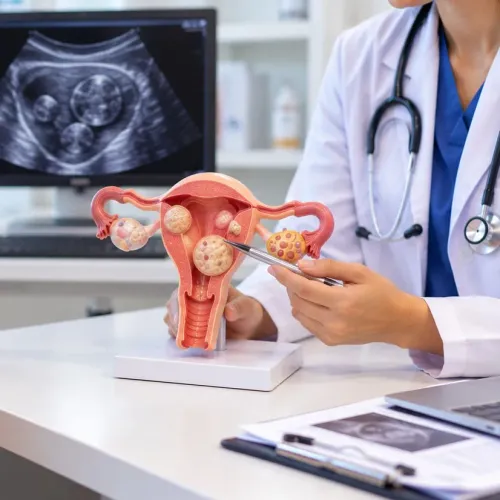
| Specialist transvaginal ultrasound | Ovarian endometriomas, some deep endometriosis, and other causes of pelvic pain | A routine or nondiagnostic scan is not a definitive negative result |
| MRI for deep endometriosis | The location and extent of suspected deep disease before treatment | It does not detect every superficial implant |
| Laparoscopy | Direct inspection and possible removal of lesions | Surgery with diagnostic laparoscopy risks; excised lesions should receive histologic confirmation where possible |
Symptoms, examination, and imaging can support diagnosis and treatment without laparoscopy in every case. Laparoscopy remains an option when imaging is inconclusive and empirical treatment is unsuccessful, inappropriate, or declined.
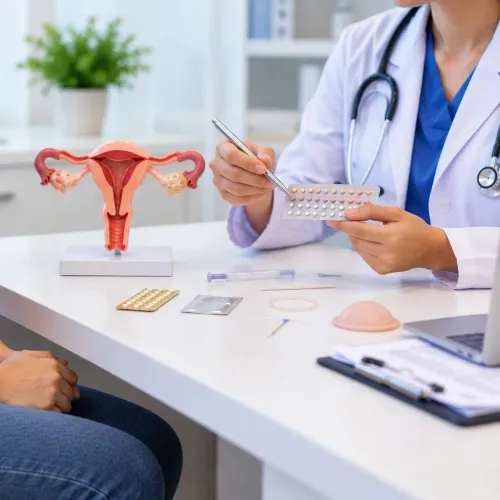
Combined hormonal contraceptives and progestogens can suppress cycling and reduce pain, but they do not permanently cure endometriosis; symptoms can return after stopping. In Thane, Dr. Jagruti Kadam 8048033934 can use your diary to choose examination or imaging and match treatment with fertility plans.
Related services
Endometriosis Treatment ₹1000 Dr. Jagruti Kadam offers specialized endometriosis treatment focused on relieving pain and improving quality of life. View service → |
Pelvic Pain Treatment ₹1000 Dr. Jagruti Kadam provides comprehensive pelvic pain treatment with a focus on accurate diagnosis and personalized care. View service → |
Frequently asked questions
What pattern of period pain should make you consider endometriosis?
Consider endometriosis when period pain is severe, repeats across cycles, worsens over time, lasts beyond the first days of bleeding, or disrupts work, school, sleep, or sex.
Which other symptoms are linked with endometriosis?
Linked symptoms include pain during or after sex, painful bowel movements, painful urination, heavy or irregular bleeding, pelvic pain between periods, bloating, fatigue, and difficulty becoming pregnant.
How can endometriosis be distinguished from other pelvic conditions?
A clinician compares the timing and triggers of symptoms with examination findings and tests. Fibroids, adenomyosis, pelvic inflammatory disease, ovarian cysts, irritable bowel syndrome, and urinary conditions can cause similar pain.
When is pelvic pain an emergency?
Seek urgent medical care for sudden severe pelvic pain, fainting, dizziness, fever, repeated vomiting, pregnancy with pain or bleeding, or bleeding that rapidly soaks pads.
What should you record before an endometriosis appointment?
Record cycle dates, pain location and severity, bleeding amount, bowel and urinary symptoms, pain during sex, missed activities, medicines taken, fertility concerns, and previous scans or treatments.