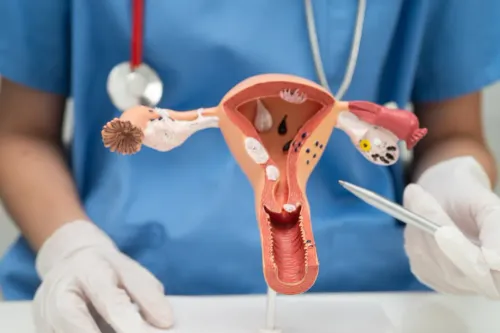


Not every gynecological condition requires surgery, but there are situations where an operation becomes the most effective treatment. Advances in minimally invasive techniques have made laparoscopic surgery an important option for managing several gynecological conditions while reducing recovery time compared with traditional open procedures.
Understanding when consultation with a laparoscopic surgeon is appropriate can help women make informed decisions and avoid unnecessary delays in treatment.
What Is Laparoscopic Surgery?
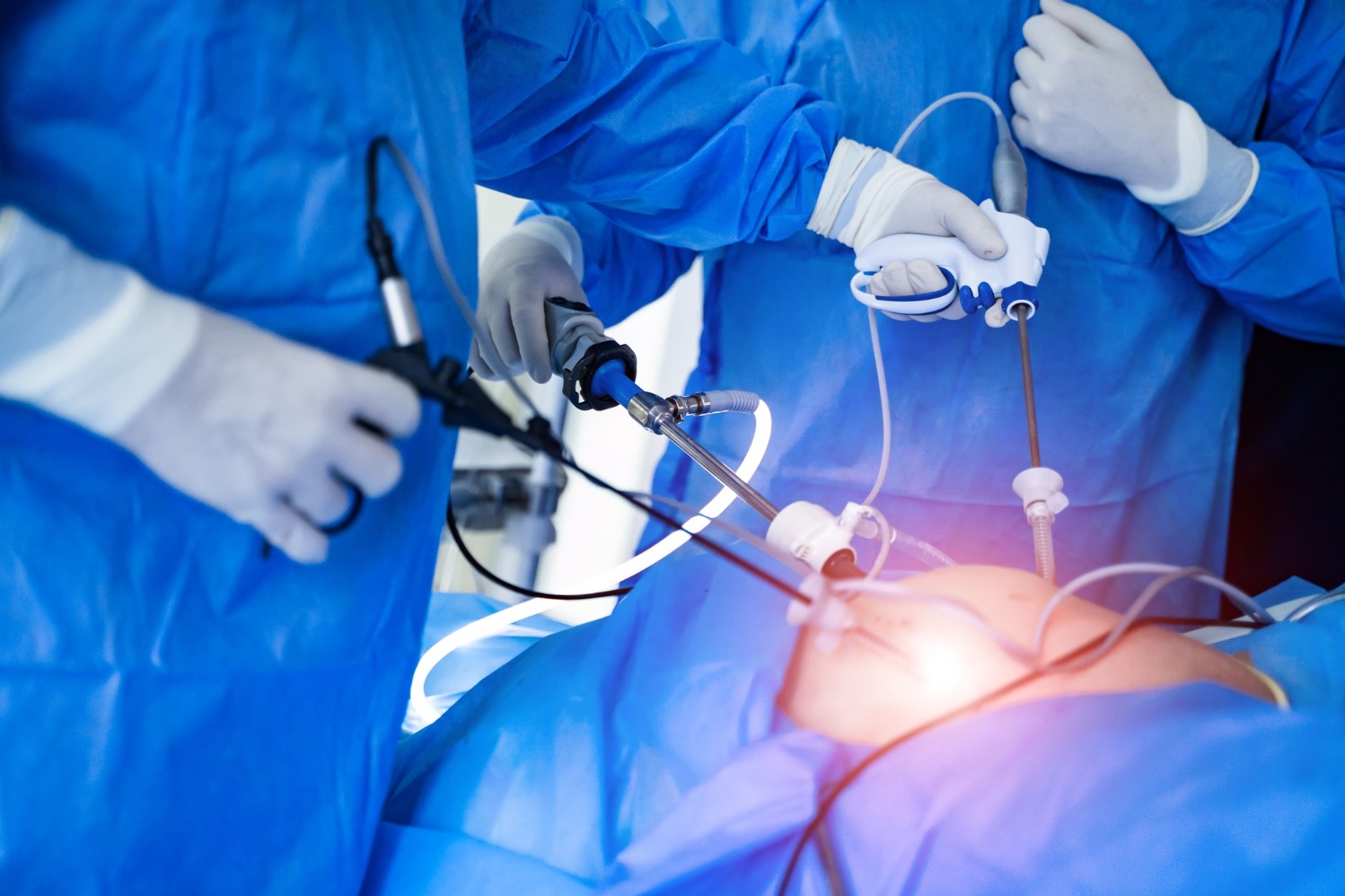
Laparoscopic surgery is a minimally invasive surgical technique performed through small incisions using a camera and specialized instruments.
The surgeon views the pelvic organs on a high-definition monitor, allowing many procedures to be performed with greater precision while minimizing tissue damage.
Which Conditions May Require Laparoscopic Surgery?
Laparoscopy may be recommended for several conditions, including:
- Endometriosis
- Ovarian cysts
- Uterine fibroids
- Ectopic pregnancy
- Pelvic adhesions
- Chronic pelvic pain
- Selected infertility evaluations
- Certain hysterectomy procedures
The decision depends on the diagnosis, symptoms, and overall health of the patient.
When Should You Consider Consulting a Laparoscopic Surgeon?
A consultation may be appropriate if you experience:
- Persistent pelvic pain
- Large or symptomatic ovarian cysts
- Fibroids causing heavy bleeding or pressure symptoms
- Difficulty conceiving due to specific pelvic conditions
- Endometriosis not responding to medication
- Recurrent pelvic infections leading to adhesions
A specialist can determine whether surgery or non-surgical management is more appropriate.
Benefits of Laparoscopic Surgery
Compared with traditional open surgery, laparoscopic procedures often provide:
- Smaller incisions
- Reduced postoperative discomfort
- Lower blood loss
- Faster recovery
- Shorter hospital stay
- Earlier return to work and daily activities
- Smaller scars
Recovery may differ depending on the complexity of the procedure.
Preparing for Surgery
Preparation generally involves:
- Medical examination
- Blood investigations
- Imaging studies
- Review of current medications
- Pre-anesthesia assessment
- Discussion of the expected procedure and recovery
Patients should also understand both the benefits and possible risks before surgery.
Recovery After Laparoscopy
Although recovery is usually faster than with open surgery, following medical advice remains important.
Patients are commonly advised to:
- Begin gentle walking as recommended
- Stay hydrated
- Take prescribed medications
- Avoid heavy lifting initially
- Attend follow-up appointments
Recovery timelines vary according to the specific surgery performed.
Choosing surgery is an important healthcare decision that should always be based on a thorough medical evaluation rather than symptoms alone. Consulting a qualified laparoscopic surgeon helps ensure that all suitable treatment options are considered and that surgery is recommended only when it offers the greatest potential benefit.