

A high-risk HPV infection can remain unnoticed for years and gradually change cervical cells, while vaccination works before that process begins. By the end, you will understand how HPV leads to cancer, what each vaccine covers, how dose timing works, and how vaccination fits with testing and follow-up.
Key takeaways
- Persistent high-risk HPV infection can cause precancerous cervical cell changes.
- HPV vaccines prevent new infections but do not treat existing HPV or precancer.
- Ask which vaccine and dose schedule match your age and health history.
- Continue cervical screening after vaccination because vaccines do not cover every high-risk HPV type.
How persistent high-risk HPV infection can lead to cervical cancer
Most HPV infections clear without causing lasting harm. A persistent HPV infection with high-risk HPV types can remain in cervical cells for years, however, and gradually produce abnormal cell changes called precancer.
The viral proteins E6 and E7 interfere with safeguards controlled by p53 and retinoblastoma (Rb) proteins, allowing damaged cells to multiply; untreated precancer can eventually invade nearby tissue and become cancer. HPV-16 and HPV-18 cause about 70% of cervical cancers worldwide.
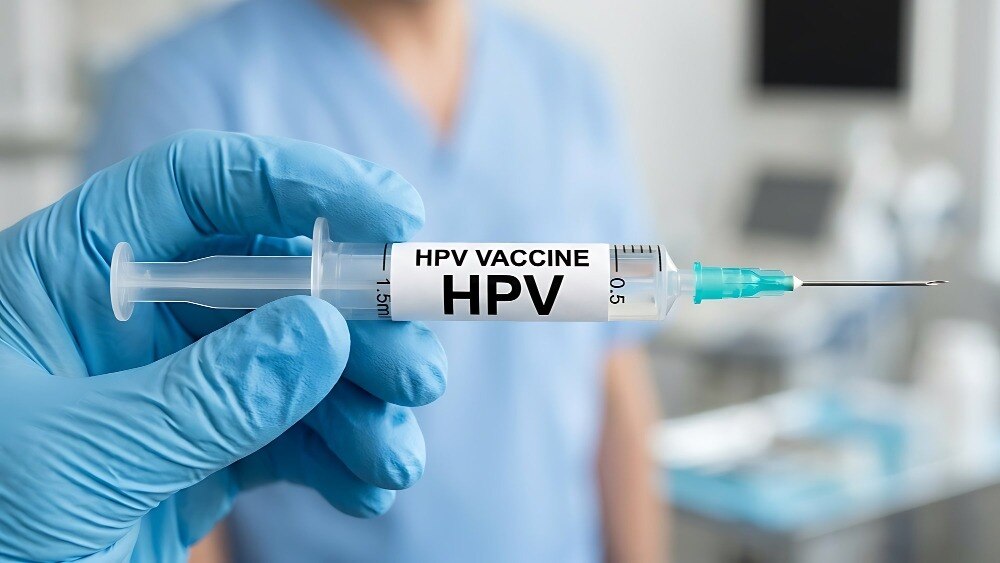
A vaccine cannot remove an existing infection or treat abnormal cervical cells. Its role is prevention: it blocks new infections with the HPV types included in the vaccine, supporting cervical cancer prevention and reducing other HPV-related disease.
| Disease | What vaccination can help prevent |
|---|---|
| Cervical cancer | Cancers caused by vaccine-covered high-risk HPV types |
| Vaginal and vulvar cancers | HPV-related cancers caused by covered types |
| Anal and penile cancers | HPV-related cancers caused by covered types |
| Oropharyngeal cancer | Some HPV-related cancers in the throat and mouth |
| Genital warts | Warts caused mainly by HPV-6 and HPV-11, when the vaccine covers these types |
The nine-valent vaccine targets HPV-6, 11, 16, 18, 31, 33, 45, 52, and 58. Vaccination works best before HPV exposure, but people who have begun sexual activity can still gain protection against vaccine types they have not encountered. It does not replace cervical screening or follow-up after a positive HPV test.
What vaccination prevents—and what it cannot treat
The prevention offered by HPV vaccination is strongest before exposure because the vaccine cannot remove HPV already present in the body. Early vaccination allows the immune system to build protection before sexual contact introduces vaccine-covered HPV types.
After sexual activity has begun, vaccination can still prevent new infections with HPV types you have not encountered. It does not clear an existing HPV infection, reverse cervical precancer, treat cervical cancer, or cure genital warts. An abnormal Pap smear also requires the recommended evaluation; vaccination does not make an abnormal result normal.
1. Ask whether vaccination is appropriate based on your age, previous doses, and health history—not on whether you have already had sex.
2. Do not wait for an HPV test or Pap smear before vaccination unless a clinician identifies another reason for testing. A prior infection does not prove that you have encountered every HPV type covered by the vaccine.
3. Continue cervical screening after vaccination. Protection is incomplete because the vaccine does not cover every cancer-causing HPV type, and vaccination cannot undo exposure that occurred earlier.
The vaccine is not a live vaccine, so it cannot cause HPV infection or cancer. Pain, redness, or swelling at the injection site is common; remain seated for 15 minutes after an adolescent vaccination because fainting can occur.
Which HPV vaccine and dose schedule applies to you
The vaccine type changes which HPV strains are covered; the dose count depends mainly on your age when the first dose is given and whether you are immunocompromised.
| Vaccine | HPV types covered | Main added protection |
|---|---|---|
| Bivalent HPV vaccine | 16 and 18 | Protection against two high-risk types that cause many cervical cancers |
| Quadrivalent HPV vaccine | 6, 11, 16 and 18 | Adds protection against types 6 and 11, which cause most genital warts |
| Nonavalent HPV vaccine | 6, 11, 16, 18, 31, 33, 45, 52 and 58 | Adds five high-risk cancer-associated types to the quadrivalent coverage |
A common HPV vaccine schedule India follows is:
- Starting from age 9 through 14: two doses, with dose two given 6 months after dose one.
- Starting at age 15 or older: three doses at month 0, month 1 or 2, and month 6.
- At any age, people with certain immunocompromising conditions need three doses, even if they started before age 15.
Follow the product’s minimum intervals. Giving doses too close together can make a dose invalid and require another one. If you miss the planned date, do not restart the series; ask a clinician to continue it using the correct interval.
Availability of bivalent, quadrivalent, and nonavalent products varies, so confirm which vaccine and schedule are being offered.
What to check before receiving an HPV vaccine
An HPV test, Pap smear, pregnancy test, or pelvic examination is not required before vaccination. Your HPV vaccine eligibility depends mainly on age, previous doses, clinical circumstances, and HPV vaccine contraindications. Vaccination does not remove the need for cervical screening later.
1. Confirm your age and vaccination record. Adults aged 27 through 45 who were not adequately vaccinated should discuss likely benefit with a clinician rather than assume vaccination is routine. Previous HPV infection does not automatically rule out vaccination, but the vaccine will not treat it.
2. Tell the clinician if you are pregnant or planning pregnancy. Pregnancy and HPV vaccination do not belong together: delay vaccination during pregnancy, then resume remaining doses after delivery. If you received a dose before discovering the pregnancy, do not panic or seek pregnancy termination; simply postpone later doses. Routine pregnancy testing is not required.
3. Review allergies and your current health. A severe allergic reaction to a previous HPV vaccine dose or one of its components is a contraindication; yeast allergy is relevant to the 9-valent vaccine. Delay vaccination during a moderate or severe acute illness until you recover.
4. Mention medicines or conditions that weaken immunity. Immunocompromised patients can receive HPV vaccine, but their immune response may be lower, so the clinician should review the appropriate schedule and timing.
After vaccination, continue age-appropriate cervical screening. The vaccine does not treat existing HPV, abnormal cells, or cancer, and it does not protect against every cancer-causing HPV type.
How vaccination and cervical screening work together
An HPV vaccine does not cancel a positive HPV result, genital warts, cervical precancer, or an abnormal cervical test. It prevents new infections with vaccine-covered types; it does not clear HPV you already have or repair abnormal cells.
After vaccination, keep the screening schedule recommended for your age and prior results. A Pap smear after HPV vaccine is still necessary because vaccination does not cover every cancer-causing HPV type, and infection may have occurred before vaccination.
If you have had HPV:
- Continue routine HPV testing or Pap smears when due. A previous infection is not a reason to stop screening.
- Treat or assess genital warts separately. The vaccine does not remove existing warts, and wart treatment does not replace cervical screening.
- Complete cervical precancer follow-up exactly as advised. This may involve repeat HPV testing, a Pap test, colposcopy, or treatment; vaccination does not lengthen these intervals.
- Follow the specific plan for an abnormal test instead of waiting for the next routine screen. Missing a recommended colposcopy or repeat test can allow persistent high-risk HPV-related changes to progress.
A gynecologist in Thane, such as Dr. Jagruti Kadam 8048033934, can match your vaccine history and test reports to the correct follow-up plan. Bring previous reports, including the HPV type, Pap result, biopsy result, and treatment date.
Related service
HPV Vaccination ₹1000 Dr. Jagruti Kadam provides safe and effective HPV vaccination to help protect against cervical cancer and other HPV-related diseases. View service → |
Frequently asked questions
How can persistent high-risk HPV infection lead to cervical cancer?
High-risk HPV can remain in cervical cells for years. Persistent infection can cause abnormal cell changes called precancer, which may progress to cervical cancer if not detected and treated.
Can an HPV vaccine treat an existing HPV infection?
No. HPV vaccines prevent new infections with the HPV types they target. They do not clear an existing infection or treat cervical precancer or cancer.
Which HPV vaccine dose schedule applies to me?
The schedule depends on your age when vaccination starts and your immune status. Ask a qualified healthcare professional to confirm the vaccine, number of doses, and timing for you.
Why is cervical screening needed after HPV vaccination?
Vaccination does not cover every high-risk HPV type, and it cannot treat an infection acquired before vaccination. Follow the cervical screening schedule recommended for you.